
Pakiri Beach surfcasting offers anglers a premier fishing experience along a pristine 14-kilometer stretch of white sand in the Auckland region. Known for its steep drop-offs and deep gutters close to shore, it is a highly productive location for targeting Snapper, Kahawai, and Trevally using long-casting surf rods and pulley rigs during change of light.
Pakiri Beach is widely regarded as one of New Zealand’s most picturesque yet challenging surfcasting destinations. Situated on the east coast north of Auckland, its exposed nature and unique topography make it a magnet for serious land-based fishermen. Unlike the shallow mudflats found in many harbours, Pakiri features a steep shoreline that allows anglers to cast into deep water relatively easily. However, success here requires more than just a rod and reel; it demands an understanding of the ocean’s rhythm, the ability to read subtle changes in the surf, and a respect for the power of the Pacific Ocean.
Why Choose Pakiri for Surfcasting?
Pakiri Beach stands out in the Hauraki Gulf region due to its distinct geography. While many east coast beaches are flat and require wading hundreds of meters to find depth, Pakiri drops away sharply. This steep shelf means that large predatory fish, particularly big Snapper, venture surprisingly close to the shoreline under the cover of darkness or white wash.
The beach is exposed to the open ocean swell, which creates a dynamic environment. The constant wave action stirs up the sandy bottom, dislodging shellfish and crabs, creating a natural berley trail that attracts fish. For the surfcaster, this means you are fishing in a high-energy zone where fish are actively hunting. The isolation is another major draw card; with 14 kilometres of sand, it is always possible to find a spot to yourself, far away from the crowds found at more accessible beaches closer to Auckland city.
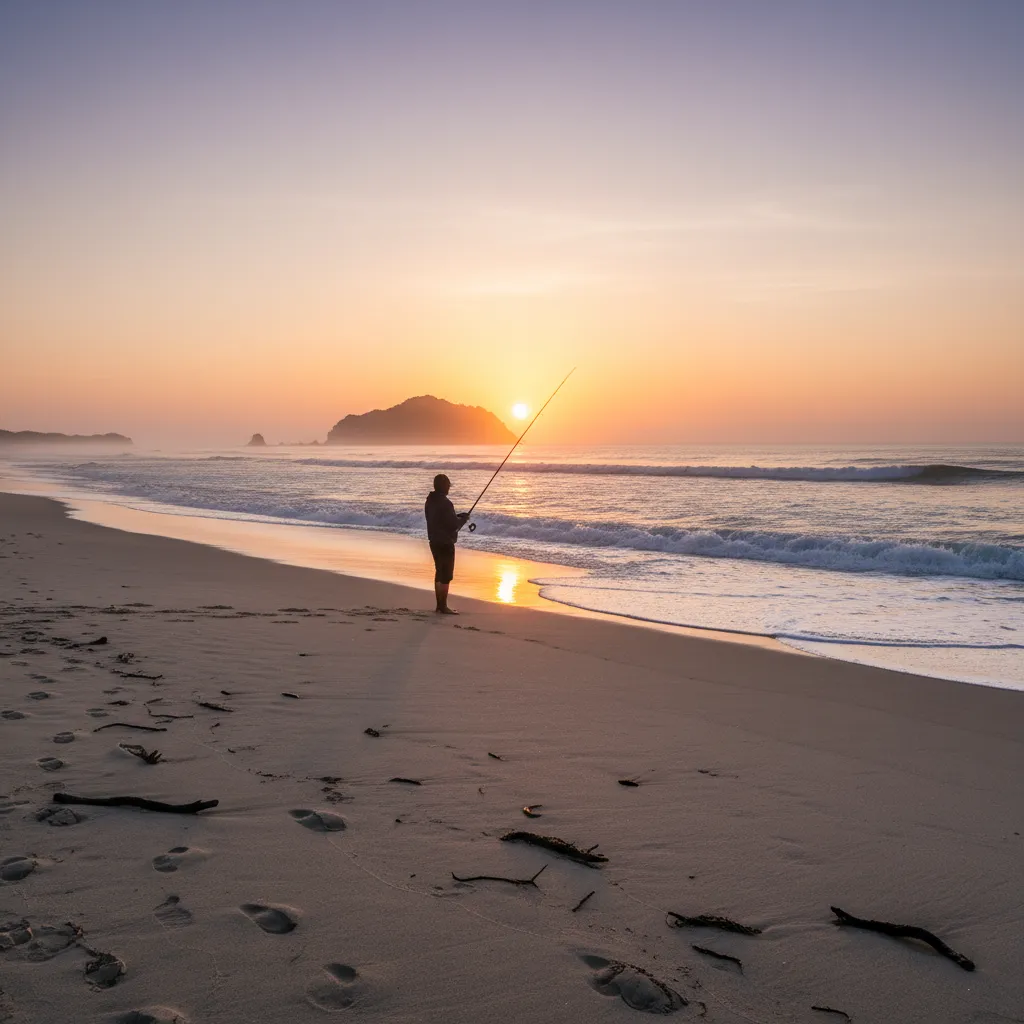
Access Points for Surfcasters
Knowing where to park and walk is crucial, as the beach is long and carrying heavy gear through soft sand can be exhausting. There are two primary access points for anglers.
Pakiri Regional Park (Southern End)
The most popular access point is at the southern end via Pakiri River Road. Here you will find the Pakiri Regional Park car park. From the car park, you cross the footbridge over the estuary to reach the beach. This area is popular with swimmers and holidaymakers during the day, so serious anglers often walk 15 to 20 minutes north along the beach to escape the activity. The area near the river mouth can be productive for Kahawai on an outgoing tide, but the larger Snapper generally hold further up the beach in the deeper gutters.
Northern Access (Greenwood Road)
For those targeting the northern stretches, access is more limited and often requires a longer drive. Access can be gained near the holiday park area or via public walkways signposted off the main roads leading towards Leigh and Goat Island. The northern end tends to have slightly coarser sand and often steeper banks. It is less fished than the southern end, meaning the fish stocks can be less pressured. Be mindful of private property boundaries when accessing the beach from roads other than the main public reserves.
Reading the Beach: Gutters and Holes
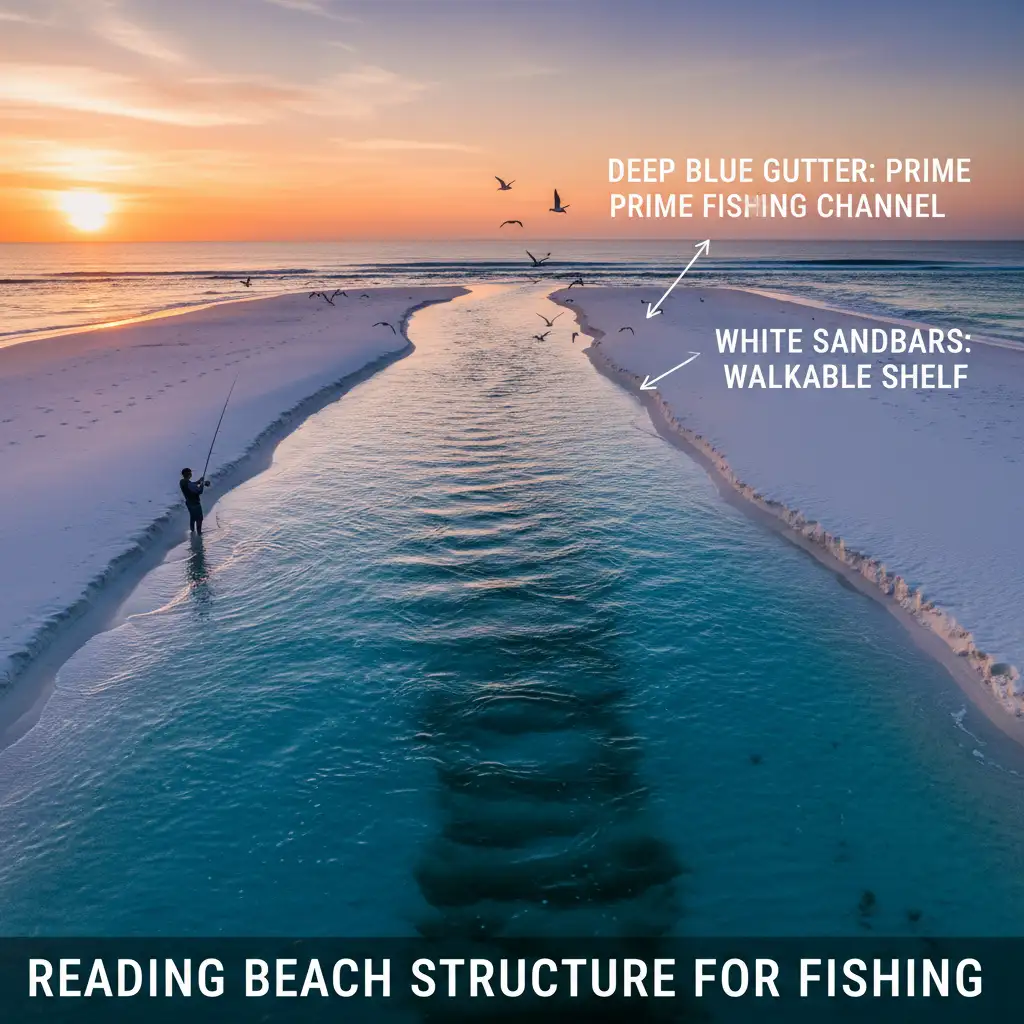
The difference between a blank session and a bin full of fish at Pakiri often comes down to your ability to read the water. You are looking for “gutters”—channels of deeper water running parallel to the shore where fish patrol.
Identifying Productive Water
Stand on the dunes before you descend to the sand and scan the water. You are looking for darker patches of blue or green water. White water indicates shallow sandbanks (where waves are breaking), while darker water indicates depth. Ideally, you want to cast your bait into the dark water (the gutter) or on the edge of the sandbank where the waves roll over into the deep.
At Pakiri, the rips are strong. A rip current often creates a channel leading out to sea, carrying sand and food. Fish will sit on the edges of these rips waiting for food to be swept out. While dangerous for swimmers, these are prime spots for surfcasters. Look for areas where the waves are not breaking or where the surface water appears rippled and agitated compared to the surrounding surf.
Target Species and Seasonal Patterns
Pakiri is a year-round fishery, but the target species and their abundance shift with the seasons.
Snapper (Tamure)
The holy grail of New Zealand surfcasting. Pakiri produces excellent Snapper, often exceeding 10lb (4.5kg). The best time to target them is from late spring through to late autumn (November to May). Early mornings and late evenings are essential, as the big fish move into the shallows under low light. Fishing straight after a storm when the water is murky can also yield great results during the day.
Kahawai
Kahawai are prolific at Pakiri and can be caught year-round. They are aggressive fighters and travel in schools. You will often see them busting up on the surface chasing baitfish. They are not hook-shy and will take most baits. They are excellent fun on lighter tackle and make great fresh bait for Snapper.
Trevally
During the winter months and cooler periods, Trevally become a common catch. They have soft mouths, so a drag that is not set too tight is necessary to prevent pulling the hook. They feed close to the bottom and love shellfish baits.
Gurnard and Sharks
Gurnard are occasionally caught on the sandy bottom, particularly in winter. Bronze Whaler sharks are also frequent visitors in summer, often stealing hooked fish. If you are targeting sharks specifically, heavy wire traces and game gear are required, but for most surfcasters, they are an unavoidable hazard.
Best Baits and Rigs for Pakiri
Because long casting is often required to reach the back of the gutters, your bait presentation needs to be aerodynamic.
Recommended Baits
- Pilchards: A classic choice. Use salted pilchards for toughness during the cast.
- Squid: Highly durable and aerodynamic. A whole squid head or a strip of mantle stays on the hook well in the rough surf.
- Bonito/Skipjack Tuna: Very oily and releases a strong scent trail. Ideally, skin-on fillets tied down with bait elastic.
- Fresh Kahawai: If you catch a Kahawai, fillet it immediately. Fresh, bloody Kahawai is arguably the best bait for big Snapper at Pakiri.
- Shellfish (Tuatua): Excellent for Trevally, but difficult to keep on the hook during a power cast. Use bait elastic liberally.
Rig Selection
The Pulley Rig: This is the superior rig for Pakiri. It clips the bait behind the sinker during the cast, streamlining the setup for maximum distance. Once it hits the water, the bait unclips and flows freely. It also reduces the chance of snagging when retrieving fish over the steep shelf.
The Ledger Rig: Useful for shorter casts or when targeting smaller species like Kahawai in the wash. Use a heavy breakout sinker (4oz to 6oz) to hold the bottom in the strong current.
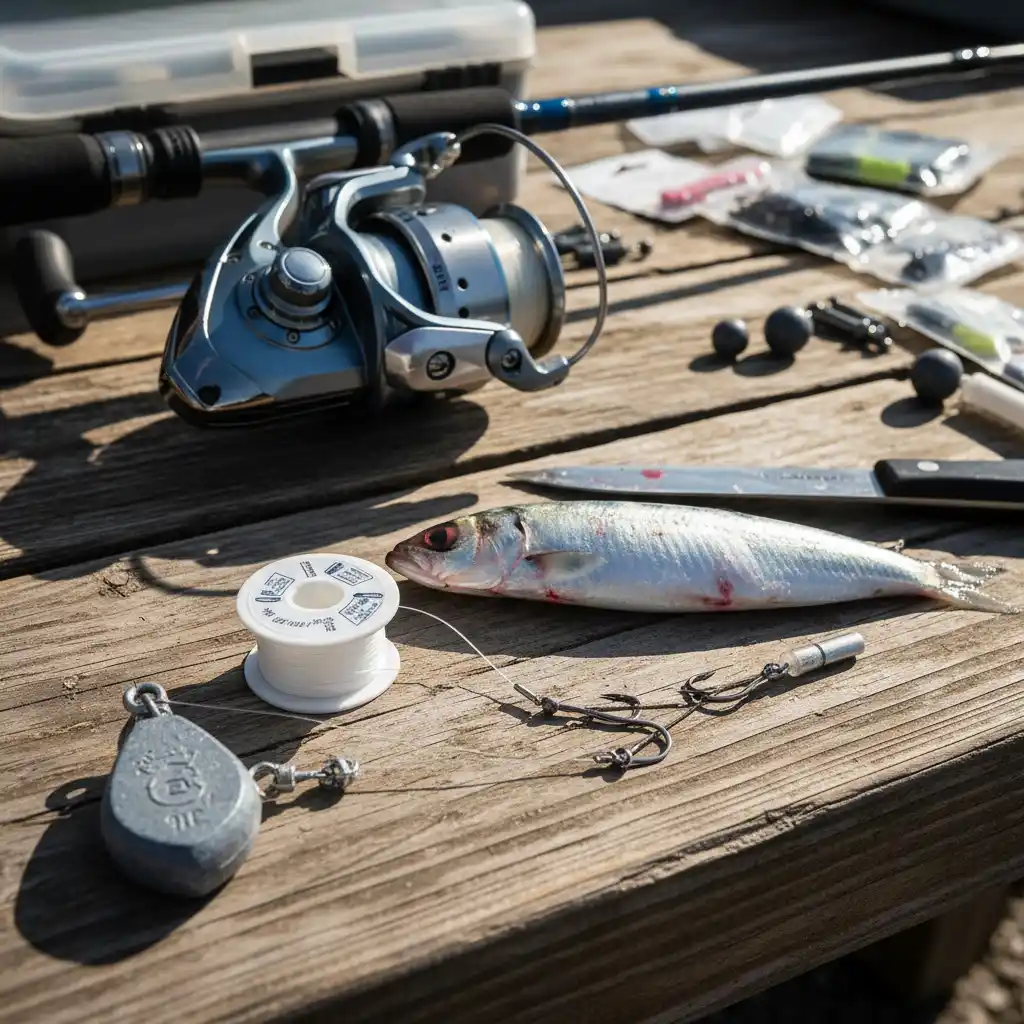
Essential Gear Guide
Pakiri is not a place for light gear. The combination of swell, current, and potentially large fish demands robust tackle.
Rods
A dedicated surfcasting rod between 13ft and 15ft is standard. You need a rod with a stiff spine to handle heavy sinkers (up to 6oz) and punch baits out through the wind, but with a sensitive enough tip to detect bites in the surf.
Reels
A large spinning reel (size 8000-14000) or an overhead surf reel is required. It should have a high line capacity (at least 300m) and a sealed drag system to protect against saltwater and sand intrusion.
Line
Monofilament is generally preferred over braid for the mainline in surfcasting because it offers abrasion resistance against the sand and has some stretch to absorb the shock of waves. 8kg to 10kg mainline is standard, with a heavy shock leader (40lb-60lb) to take the force of the cast.
Safety Warnings and Swell Conditions
Pakiri Beach is an exposed ocean beach, and conditions can change rapidly. Safety must be your primary concern.
Understanding the Swell
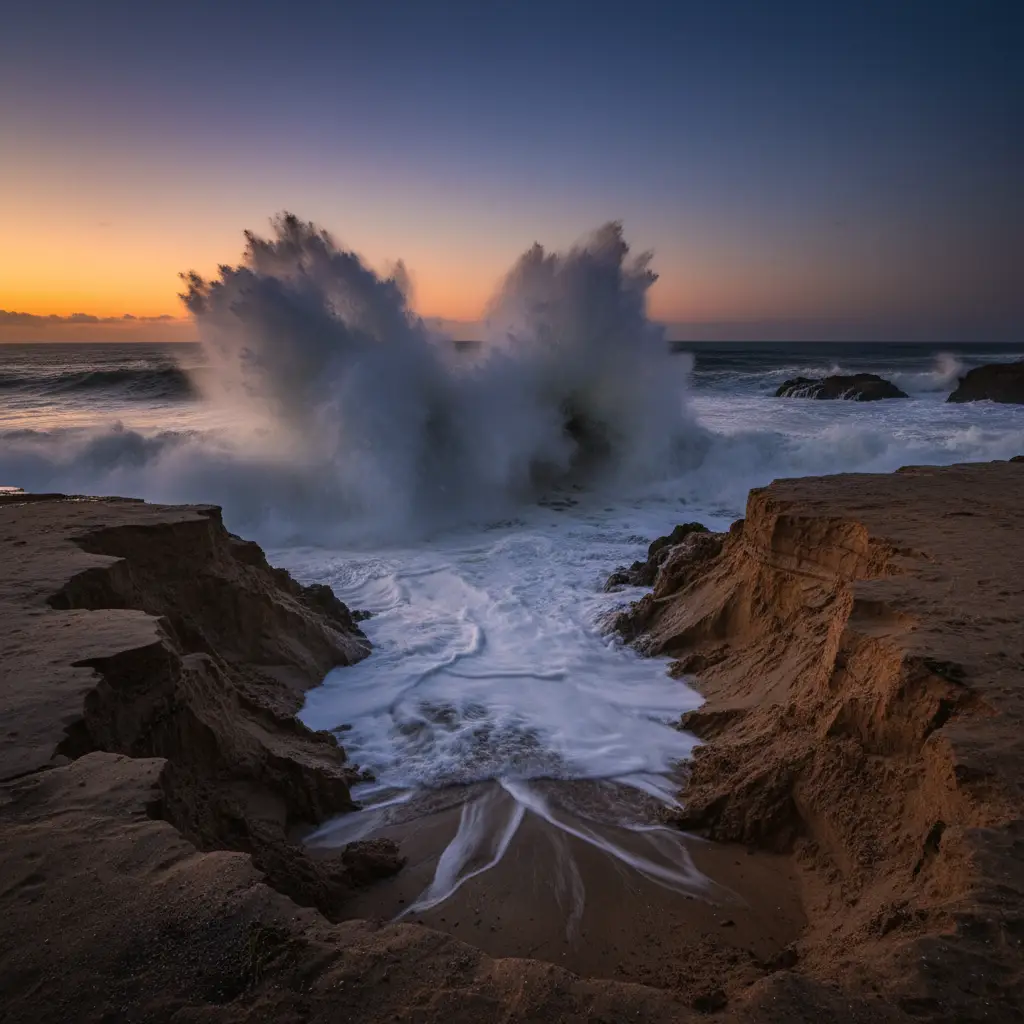
The beach drops off quickly, which creates a powerful undertow and surging shore dump. Never turn your back on the ocean. Rogue waves can surge much higher up the beach than the average set. If the swell is over 1.5 meters, fishing can become difficult and dangerous due to the powerful sweep and drag on your line.
Isolation
Cell phone coverage can be patchy along parts of the beach. Always tell someone where you are going and when you expect to return. If you are fishing at night, carry backup lights and fresh batteries. Fishing with a buddy is highly recommended.
Conservation and Regulations
Preserving the fishery for future generations is the responsibility of every angler. Adhere strictly to the Ministry for Primary Industries (MPI) fishing regulations.
- Daily Bag Limits: Check the current limits for the Auckland/Kermadec area. As of typical regulations, the limit for Snapper is often 7 per person with a minimum size of 30cm.
- Rubbish: Pack in, pack out. Do not leave bait bags, nylon, or hooks on the beach. This pristine environment is home to the endangered New Zealand Dotterel and Fairy Tern, which nest in the dunes.
- Dune Protection: Stay off the dunes to protect nesting birds and prevent erosion. Use designated access tracks only.
By respecting the environment and the power of the ocean, a trip to Pakiri Beach can result in some of the most rewarding land-based fishing New Zealand has to offer. Whether you are chasing a trophy Snapper or just enjoying the solitude of the coast, preparation is key.
What is the best time of day to fish at Pakiri Beach?
The best time to fish Pakiri Beach is typically at change of light—dawn or dusk. Combining this with an incoming tide usually produces the best results, as predatory fish like Snapper move closer to the shore to feed in the gutters.
Can you drive on Pakiri Beach?
Generally, driving on Pakiri Beach is restricted and not recommended for the general public to protect the dune ecology and beach users. It is best to park at the designated car parks and walk to your fishing spot.
What size sinker should I use at Pakiri?
Due to the strong currents and swell, a breakout sinker between 4oz and 6oz is recommended. The breakout wires help anchor the lead in the sand, keeping your line tight and your bait in the strike zone.
Is Pakiri Beach safe for swimming?
Pakiri is known for strong rips, deep holes, and powerful surf. It is patrolled by surf lifesavers only during peak summer periods. Swimmers should be extremely cautious, and inexperienced swimmers should avoid the water when patrols are not present.
Do I need a fishing license for surfcasting in NZ?
No, you do not need a license for ocean fishing (surfcasting) in New Zealand. However, you must adhere to all MPI regulations regarding daily bag limits and minimum fish sizes.
How do I stop crabs from eating my bait?
Crabs can be a nuisance at Pakiri. To combat them, use bait elastic to tightly bind your bait, making it harder for crabs to pick apart. Lifting your bait slightly off the bottom using small floats on your hook trace can also help.