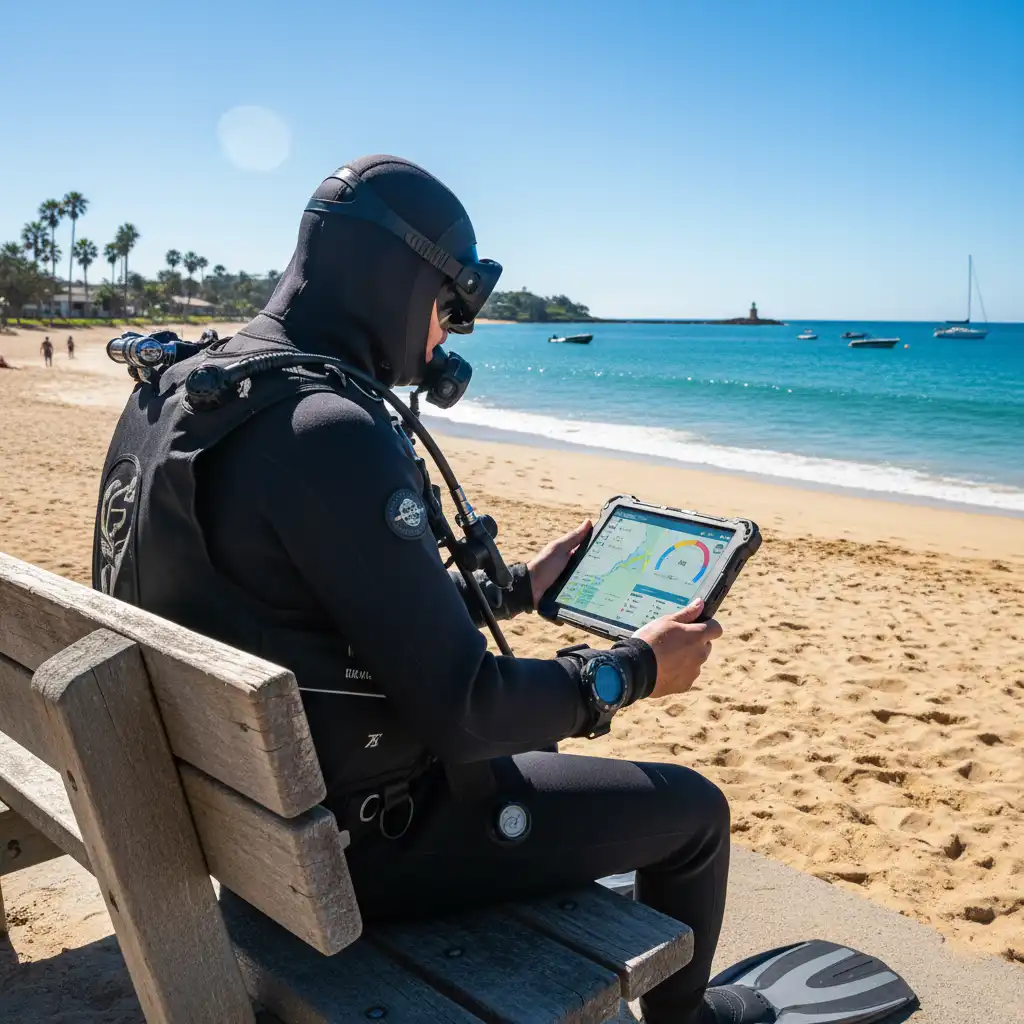
A favorable Goat Island visibility report typically requires offshore winds (Southerlies) and a swell height below 0.5 meters. Ideally, look for a period of calm weather with no recent heavy rainfall, as runoff creates turbidity. The clearest water often occurs during incoming tides on days with light offshore breezes.
Checking the Goat Island visibility report is the critical first step before packing your snorkel gear and driving to Leigh. As New Zealand’s first marine reserve, Cape Rodney-Okakari Point (Goat Island) offers world-class diving, but its conditions are notoriously fickle. Without the right combination of wind, swell, and tide, the crystal-clear aquarium can quickly turn into a cloudy, turbulent mess.
How to Read the Leigh Marine Forecast?
Interpreting marine forecasts for Goat Island requires looking beyond simple sunny icons. The reserve is situated on an exposed coastline north of Auckland, making it susceptible to specific oceanographic variables that dictate underwater clarity.
To get an accurate prediction of what the water looks like, you must synthesize data from three primary metrics: Wind Direction, Swell Height, and Swell Period.
Analyzing Wind Speed and Direction
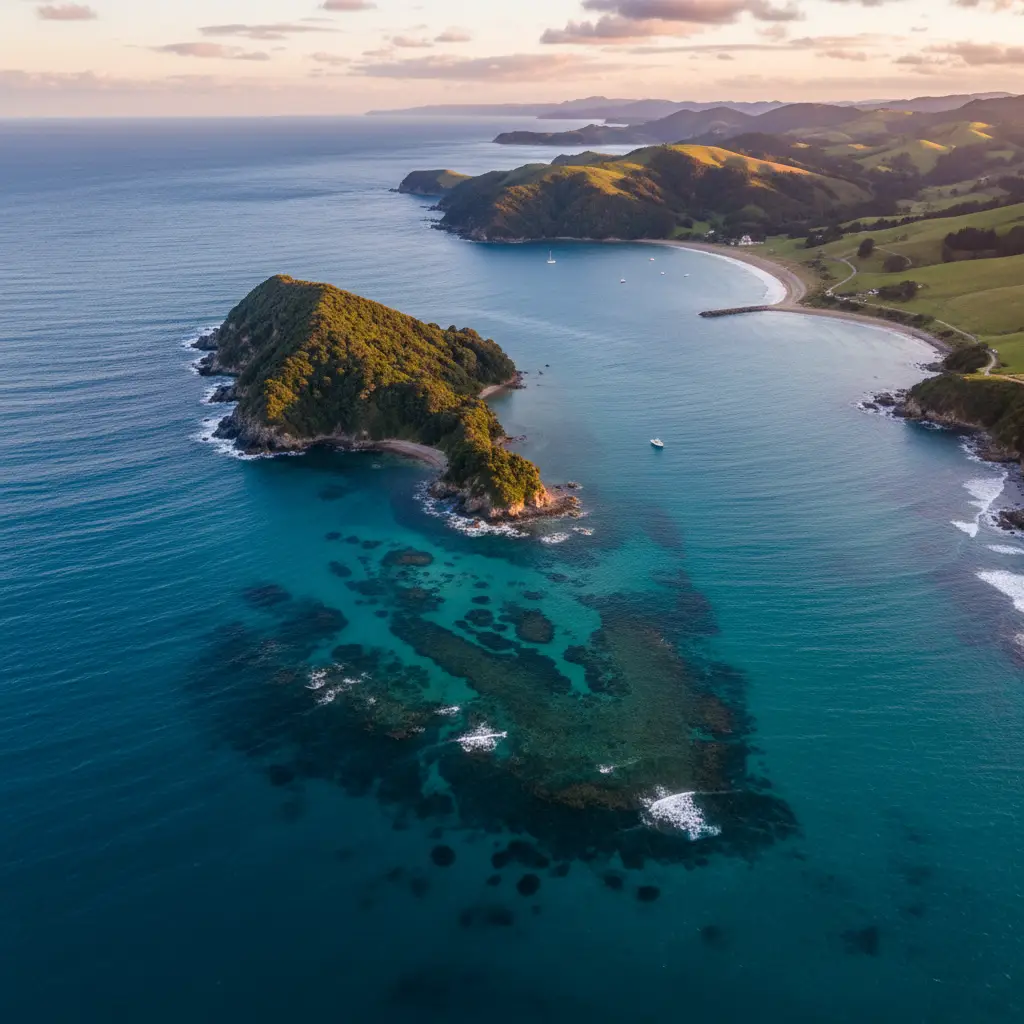
Wind is the primary driver of surface chop and sediment disturbance. At Goat Island, the beach faces North/North-East. This geographical orientation is the most important factor in your visibility calculation.
- Offshore Winds (Good): Winds blowing from the land out to sea flatten the water. For Goat Island, this means Southerlies (S), South-Westerlies (SW), and South-Easterlies (SE). These winds push surface chop away, often resulting in glass-like surface conditions and high visibility.
- Onshore Winds (Bad): Winds blowing from the ocean onto the beach bring chop and waves. Northerlies (N), North-Easterlies (NE), and North-Westerlies (NW) will churn up the seabed, dramatically reducing visibility.
Understanding Swell Ratings
When reading a forecast on sites like MetService or SwellMap, look for the “Leigh” or “Omaha” marine forecast. A swell rating of 0.0m to 0.5m is ideal for snorkeling. Once the swell exceeds 1.0 meter, visibility usually drops significantly as the surge lifts sand and sediment from the bottom. If the forecast predicts a 1.5m+ swell from the North, snorkeling is generally unsafe and visibility will be near zero.
What are the Best Wind Directions for Clear Water?
The golden rule for a perfect Goat Island visibility report is: Look for the Southerlies.
Because the beach is sheltered by the high cliffs of Cape Rodney to the south, a strong Southerly wind passes right over the reserve, leaving the water near the shore calm. Experienced divers know that even a strong 20-knot wind can result in flat water if it is coming strictly from the South.
The “Glass-Out” Phenomenon
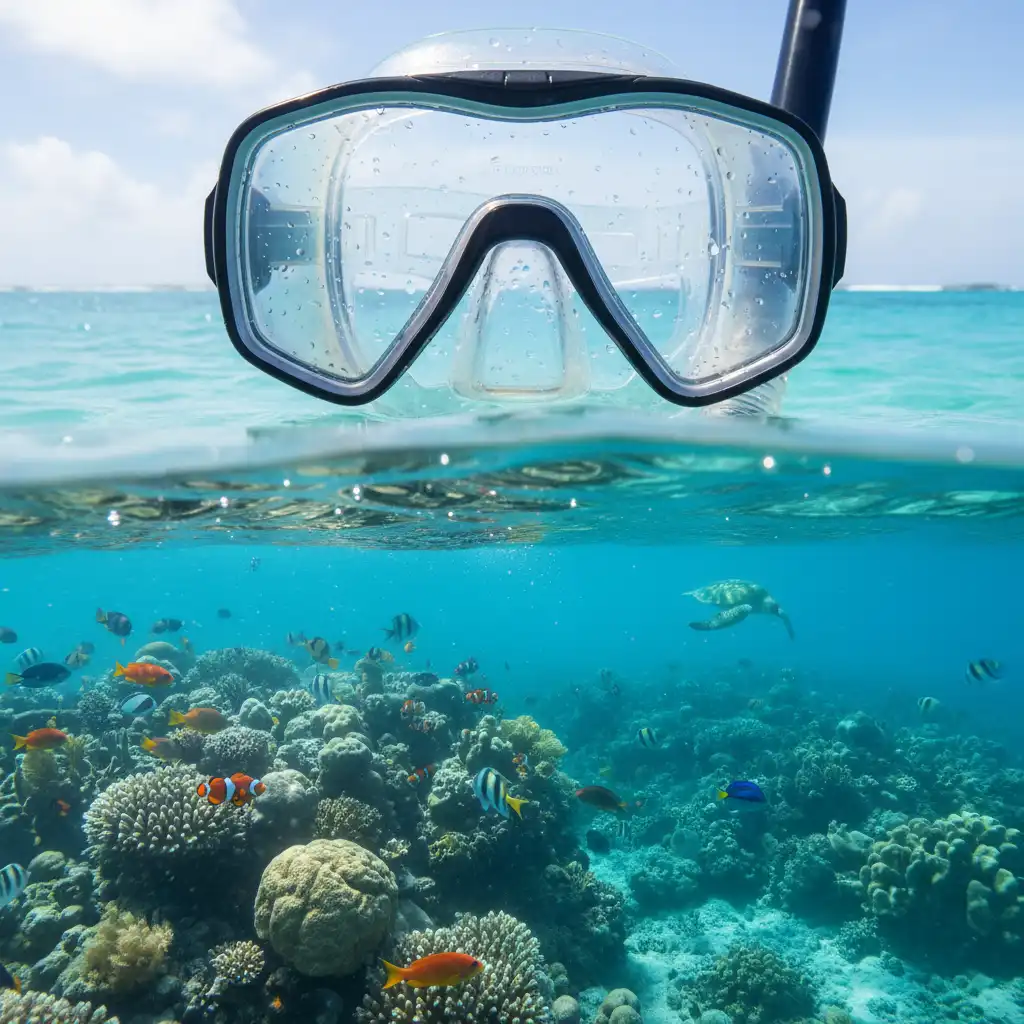
A “glass-out” occurs when there is little to no wind, or a gentle offshore breeze, combined with a negligible swell. These are the days when visibility can exceed 15 to 20 meters, allowing you to see snapper and crayfish from the surface with perfect clarity. These conditions are most common in late summer or during settled high-pressure systems in winter.
Why Northerlies Destroy Visibility
Conversely, a North or North-East wind pushes water directly into the channel between the mainland and Goat Island. This “funnel effect” accelerates the water, creating strong currents and turbulent waves. The agitation suspends sand particles and organic matter in the water column, turning the ocean into a milky, green soup. If the forecast shows strong Northerlies for several days in a row, the visibility will likely take another 2-3 days to settle even after the wind stops.
How Does Swell Height Affect Visibility?
Swell height is distinct from wind waves. Swell refers to the energy traveling through the ocean from distant weather systems. Even on a windless day, a large swell can destroy visibility.
At Goat Island, the shallow nature of the channel means that swell energy interacts with the seabed quickly. When a swell set rolls in, it creates a surge—a back-and-forth movement of water underwater. This surge acts like a shaker, constantly lifting fine sand and detritus off the rocks and floor.
Thresholds for Snorkelers:
- < 0.5m: Excellent. Minimal surge, high visibility potential.
- 0.5m – 0.9m: Moderate. Some particle suspension, but generally diveable.
- 1.0m – 1.5m: Poor. Significant surge, reduced visibility, harder to swim against.
- > 1.5m: Hazardous. Do not snorkel. Visibility likely zero.
Where to Find Webcams and Live Updates?
While forecasts are useful predictions, real-time data is superior. Since conditions can change within hours, verifying the Goat Island visibility report through live sources is highly recommended before departing.
Official Webcams and Proxies
Currently, there is no dedicated high-definition underwater live stream permanently installed at the reserve due to its remote nature and power constraints. However, several proxy cameras and reports serve as excellent indicators:
- Leigh Harbour Webcam: While this faces a different direction, it gives a good indication of general weather and cloud cover.
- Omaha Beach Cams: Located just south of Goat Island. If Omaha Beach looks choppy and white-capped, Goat Island is likely similar, especially during Easterly winds.
Community Reports (The Most Reliable Source)
The most accurate real-time visibility reports come from local divers and snorkelers. Leveraging social media platforms is a strategy used by professional operators.
- Goat Island Snorkel & Dive (Facebook Groups): Look for community groups where members post daily photos. A photo posted at 9:00 AM is the gold standard for a decision to drive up at 10:00 AM.
- Local Dive Shops: Goat Island Dive & Snorkel (the local operator) often posts updates on their social media channels regarding conditions for their guided tours. If they cancel tours, you should cancel your trip.
Do Tides and Rain Affect Clarity?
Beyond wind and swell, the tide cycle and recent rainfall play massive roles in water clarity.
The High Tide Advantage
Generally, the best visibility at Goat Island occurs around High Tide. As the tide comes in, it brings cleaner, oceanic water from the deeper Hauraki Gulf, flushing out the channel. Conversely, the outgoing (ebb) tide pulls water from the shallower estuaries and rock pools, which often contains more suspended sediment.
Aim to be in the water 1 hour before high tide for the clearest viewing experience. This also makes entering and exiting the water easier, as you don’t have to walk over slippery, exposed rocks.
The Impact of Rain (Runoff)
Heavy rainfall is the enemy of visibility. The hills surrounding Leigh and Okakari Point drain into the ocean. After a storm or heavy downpour, stormwater runoff carries clay, soil, and pollutants into the reserve. This results in a brown or green surface layer that blocks light.
Rule of Thumb: If it has rained heavily (>20mm) in the last 24 hours, visibility will likely be compromised, even if the sea is calm. Allow 48 hours for the sediment to settle after a major storm.
Wasting a Drive: When Should You Stay Home?
The drive from Auckland to Goat Island is approximately 80 minutes. There is nothing worse than arriving to find dangerous, murky conditions. You should abort your mission and stay home if you see the following combination of factors in the forecast:
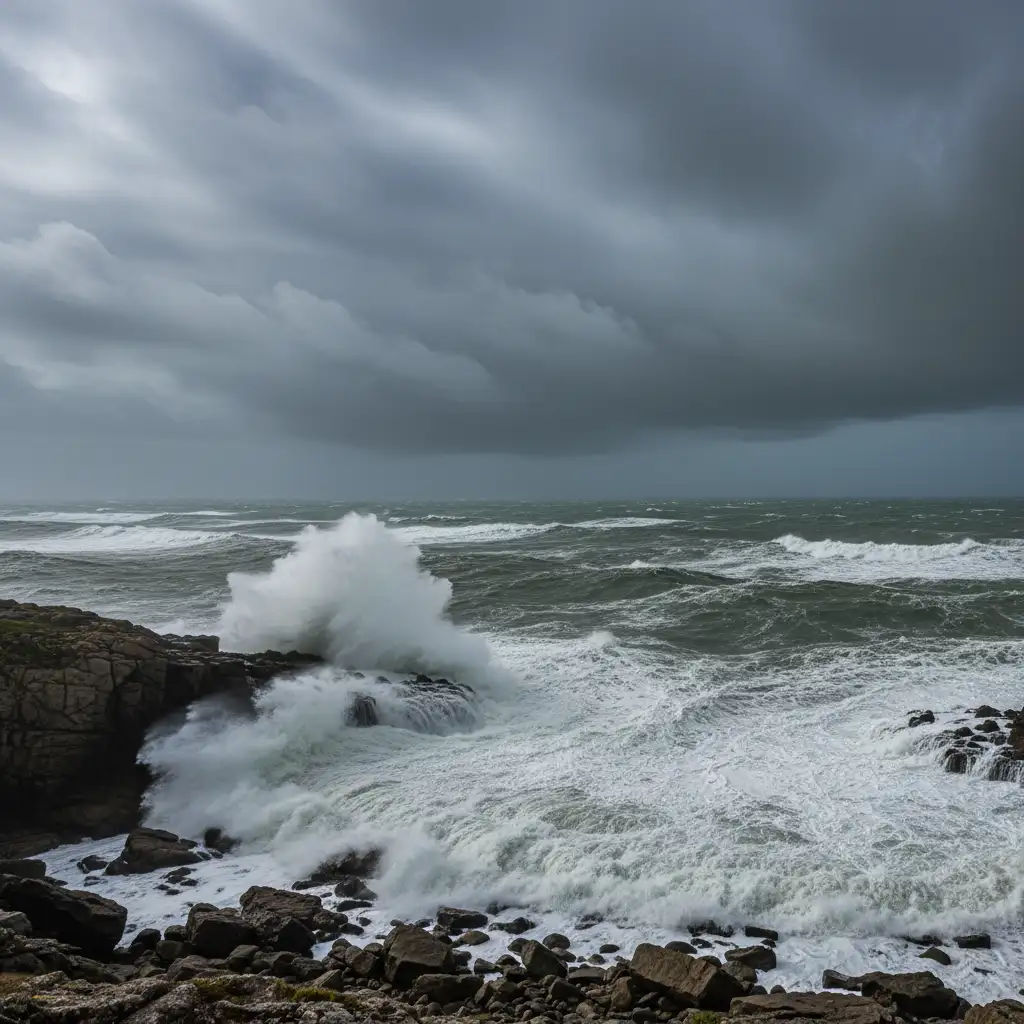
- Strong Northerlies: Any wind forecast over 15 knots from the North or North-East.
- High Swell: Swell predictions over 1.2 meters.
- Recent Storms: Heavy rain in the preceding 24 hours.
- Red Flags: If the Seafriends or local dive shop websites have “Red Flag” warnings or cancellation notices.
If the forecast is marginal, consider having a “Plan B.” The Tawharanui Marine Reserve nearby faces a slightly different angle, or you might opt for a coastal walk if the snorkeling is a washout. However, for the specific goal of high-visibility snorkeling, strict adherence to the “Southerly Wind + Low Swell” rule will save you gas and disappointment.
Safety Considerations in Poor Visibility
Diving or snorkeling in poor visibility isn’t just frustrating; it introduces safety risks. In the Goat Island channel, currents can be deceptive. When the water is murky, it is difficult to gauge your movement relative to the shore.
Disorientation: Without clear visual references of the bottom, snorkelers can drift into the boat channel or further out to sea without realizing it. Always stay within depth limits where you can see the bottom, or stay close to the shoreline rocks.
Buddy Separation: In 2-meter visibility, you can lose your dive buddy in seconds. If you choose to dive in marginal conditions, use a dive buoy (float) and stay within arm’s reach of your partner.
People Also Ask (PAA)
What is the best time of year to snorkel at Goat Island?
While summer (December to March) offers the warmest water, the clearest visibility often occurs in late summer (February/March) or on calm winter days when plankton blooms are lower. Winter diving requires thick wetsuits but can offer 20m+ visibility due to lower biological activity in the water.
Can you snorkel at Goat Island at low tide?
Yes, you can snorkel at low tide, but it is not recommended for visibility or ease of access. At low tide, you must walk over slippery, uneven rocks to reach the water, and the visibility is generally poorer due to sediment outflow. High tide is safer and clearer.
Is there a live webcam for Goat Island?
There is no dedicated underwater live webcam at Goat Island Marine Reserve. Visitors rely on the Leigh Marine Laboratory weather station data, local surf reports (SwellMap), and community updates on Facebook groups like “Goat Island Snorkel & Dive” for real-time conditions.
Do I need a wetsuit for Goat Island?
In summer, water temperatures reach 20-22°C, so many people swim in swimwear or shorty wetsuits. However, for prolonged snorkeling (45+ minutes) or during winter/spring (14-16°C), a full 5mm or 7mm wetsuit is highly recommended for safety and comfort.
Why is the water at Goat Island sometimes green?
Green water is typically caused by phytoplankton blooms or suspended sediment. Northerly winds push nutrient-rich water and sediment into the reserve, fueling algae growth and reducing clarity. Southerly winds help push this surface layer out, often returning the water to a clearer blue.
How deep is the water at Goat Island?
The snorkeling depth near the shore ranges from 1 to 4 meters, making it accessible for beginners. Further out around the island and the channel, depths drop to 10-18 meters, which is popular for SCUBA divers. The visibility often improves in these deeper sections.