Scuba dive charters in Leigh, New Zealand, provide essential access to the Goat Island Marine Reserve and surrounding offshore reefs. These professional operators offer guided boat dives, equipment rental, and shuttle services to bypass difficult shore entries. Booking a charter ensures safety, expert local navigation, and direct access to New Zealand’s most abundant marine ecosystems.
Why Choose a Scuba Dive Charter in Leigh?
Leigh, a picturesque coastal town north of Auckland, is the gateway to New Zealand’s first marine reserve, the Cape Rodney-Okakari Point Marine Reserve, commonly known as Goat Island. While the reserve is accessible from the shore, utilizing a professional scuba dive charter in Leigh transforms the experience from a strenuous logistical challenge into a seamless underwater adventure.
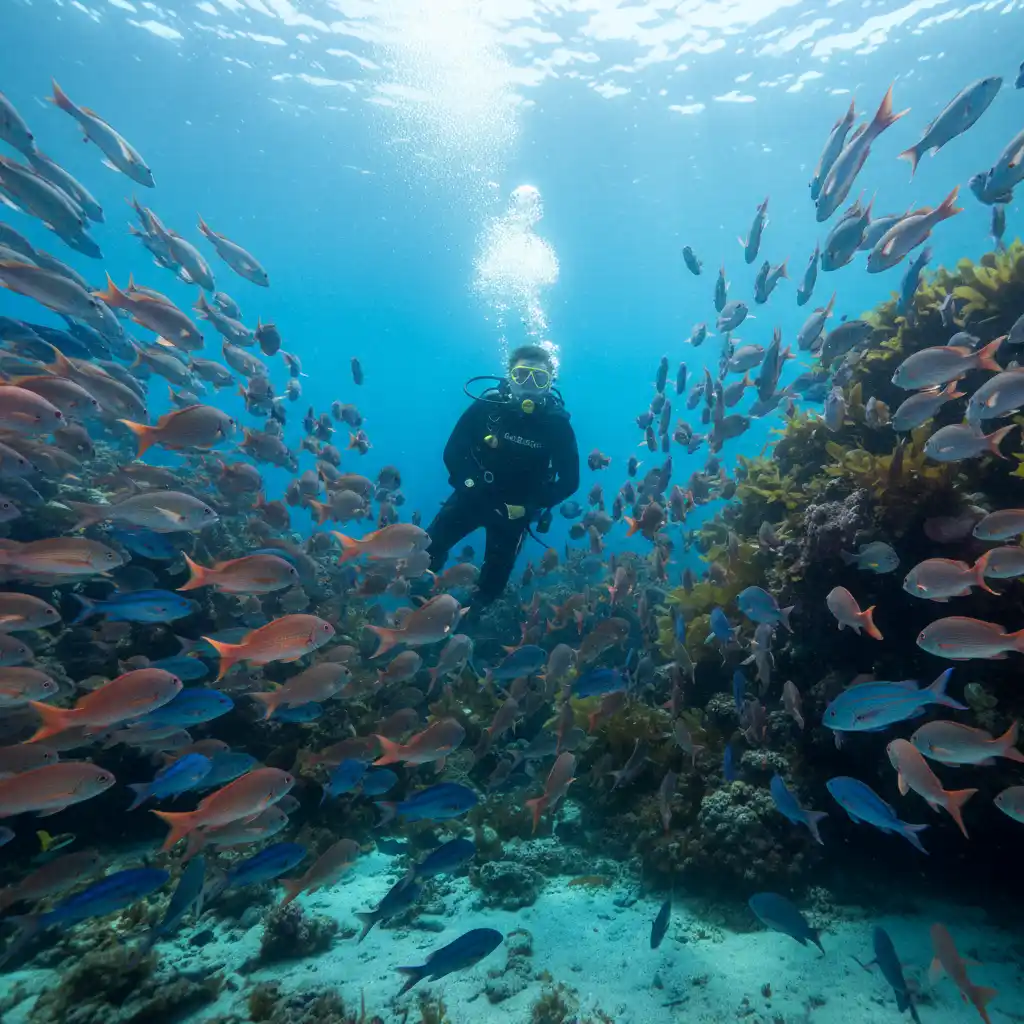
The primary value of a charter in this region is accessibility and local expertise. The marine reserve teems with life, including massive snapper, crayfish, and stingrays, but the best sites are often difficult to reach with full scuba gear from the beach. Charters provide boat access or specialized shuttles that drop divers directly at the entry points, preserving your energy for the dive itself rather than the commute.
Top Local Charter Operators and Services
When searching for a “scuba dive charter Leigh,” you are primarily looking for operators who service the Goat Island area and the wider Hauraki Gulf. The local industry is focused on conservation-minded diving, ensuring that visitors interact responsibly with the protected marine life.
Goat Island Dive & Snorkel
As the premier operator in the area, Goat Island Dive & Snorkel is the hub for most diving activities in Leigh. They offer a range of services designed to cater to both certified divers and complete novices.
- Guided Dives: Professional Divemasters lead small groups through the reserve’s most bio-diverse distinct areas, pointing out camouflaged marine life that untrained eyes might miss.
- Gear Hire: Full equipment rental is available, including high-quality 7mm wetsuits suitable for New Zealand’s temperate waters.
- Air Fills: For independent divers, they provide reliable air fills and tank testing services.
Boat Charters vs. Shore Shuttles
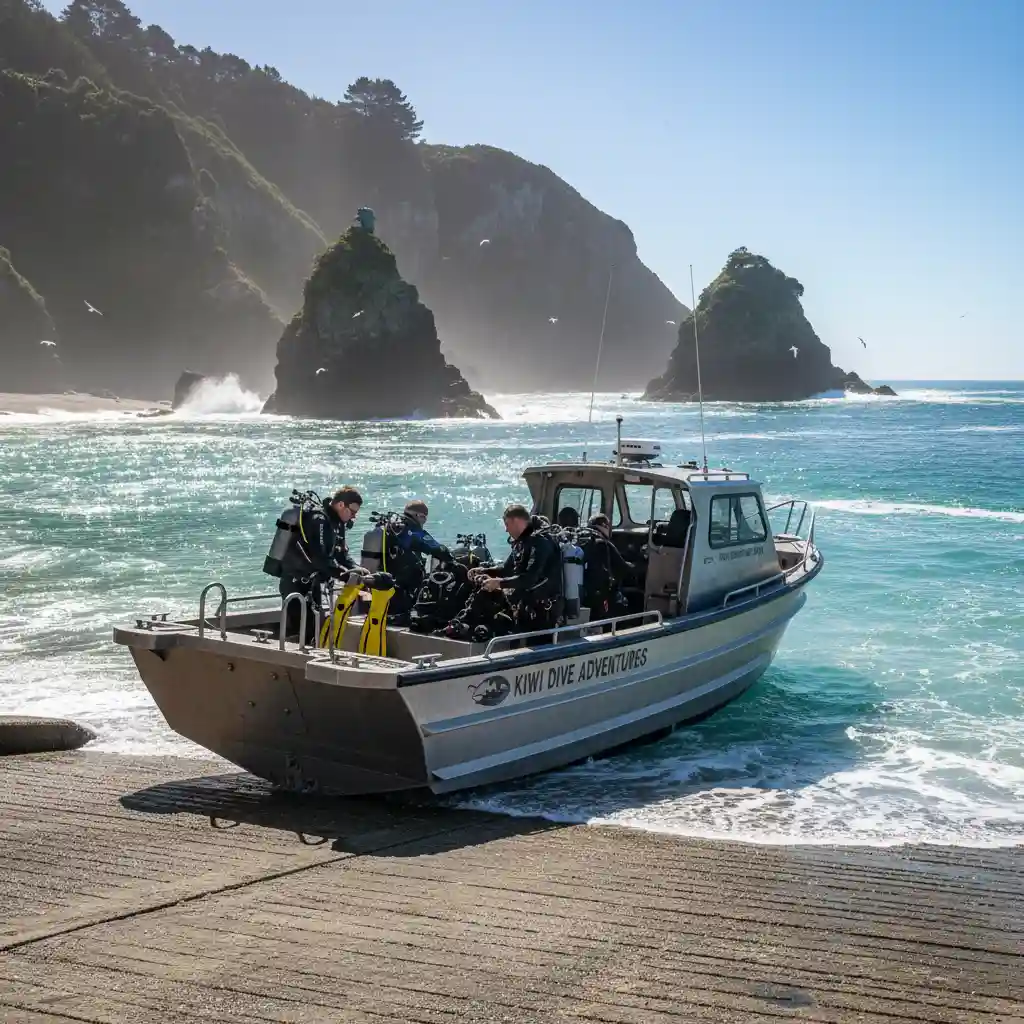
Unlike tropical destinations where large liveaboards are common, Leigh charters often utilize smaller, agile vessels or specialized vehicle shuttles. The “charter” experience here is often a hybrid. Some days involve boat launches to reach the outer boundaries of the reserve or nearby Hen and Chicken Islands, while other days focus on guided shore entries facilitated by transport services that carry heavy tanks down the steep gradients to the water’s edge.
Shore Diving Logistics: Beating the Tank Haul
One of the most critical reasons to book a service rather than diving independently is the logistics of the terrain. The walk from the Goat Island car park to the water involves a significant descent (and a grueling ascent on the return) carrying 20kg+ of scuba gear.
The “Tank Haul” Challenge
Independent divers often underestimate the physical toll of the walk to the beach. Negotiating the hill with a heavy steel tank, weight belt, and wetsuit can lead to fatigue before the dive even begins, increasing air consumption rates and reducing bottom time. Furthermore, the entry points can be slippery and rocky.
The Charter Solution
Local dive charters mitigate this entirely. Operators typically use a vehicle to transport gear down to the beach or launch boats from nearby ramps (like Leigh Harbour or Omaha) to drop divers directly onto the reef. This service is invaluable for safety and comfort, particularly for divers who may not have the physical fitness for a steep hill climb with heavy equipment. By paying for a charter or guided service, you are effectively buying convenience and extending your dive time.
Try Dive Experiences for Beginners
Leigh is arguably one of the best places in New Zealand to learn to dive. The “Try Dive” or “Discover Scuba Diving” experiences offered by local charters are a major transactional driver for the region’s tourism.
What is a Try Dive?
A Try Dive is a non-certification experience where an instructor manages the equipment and safety, allowing the participant to focus solely on breathing and observing the fish. In Leigh, these dives are conducted in the shallow, calm waters of the reserve.
Why Leigh is Perfect for Beginners
The marine reserve status means fish are unafraid of humans. Beginners do not need to hunt for marine life; it comes to them. Large Snapper and Blue Maomao often swim right up to divers’ masks. This immediate positive reinforcement creates a memorable first experience. Local charters provide thorough briefings and low instructor-to-student ratios (often 1:2 or 1:4) to ensure safety.
Advanced Dive Sites and Outer Islands
For certified and experienced divers, scuba dive charters in Leigh offer access to sites beyond the main beach of Goat Island. While the reserve is excellent, the outer areas offer deeper water, stronger currents, and different topography.
The Outpost and North Reef
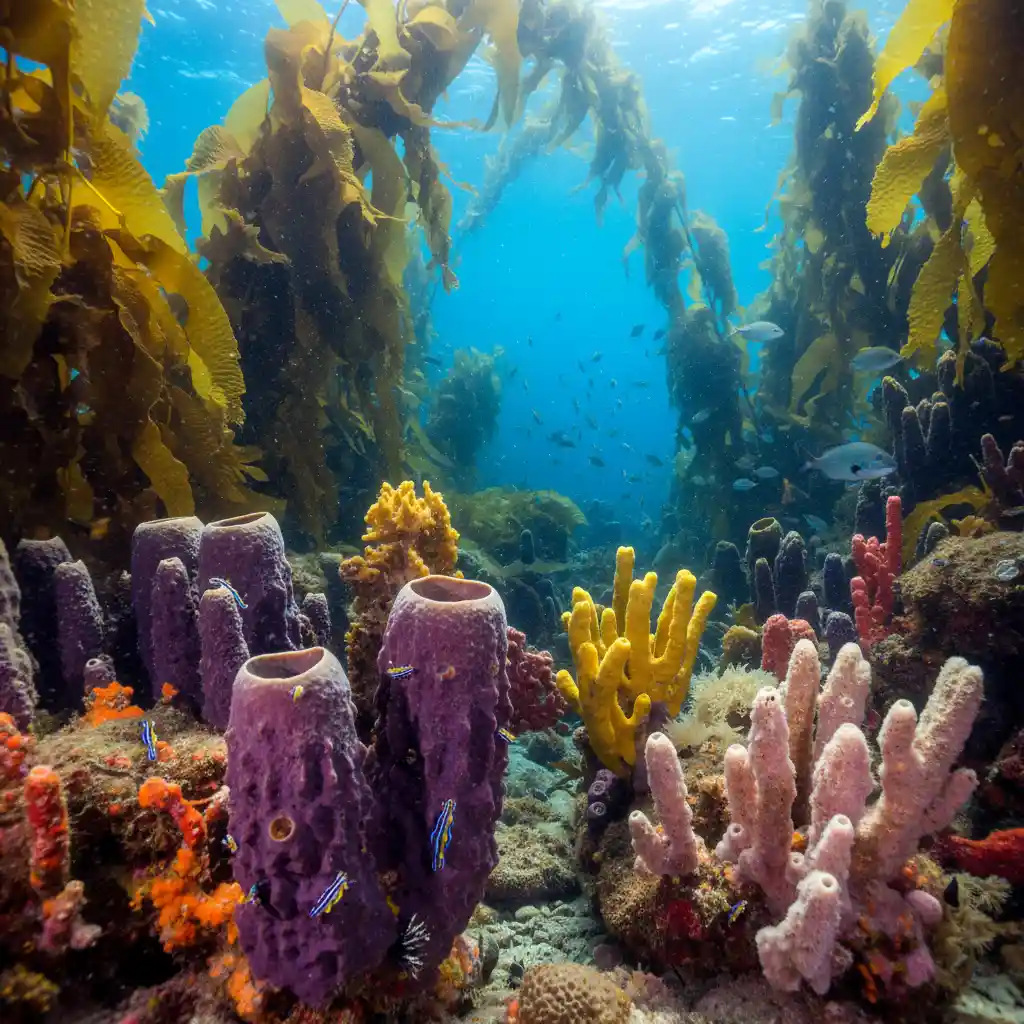
Located further out from the main beach, these sites are best accessed via boat charter. Depths range from 15 to 25 meters. Here, the kelp forests are denser, and divers have higher chances of spotting pelagic species visiting the reef edges. The currents here can be stronger, requiring boat support for drift dives or live pick-ups.
Hen and Chicken Islands
While slightly further afield, some charters operating out of the Leigh or Warkworth area run trips to the Hen and Chicken Islands. These islands offer dramatic wall dives, colorful sponge gardens, and huge schools of Demoiselles. These are full-day charter excursions requiring advanced booking. The visibility at the islands often exceeds 20 meters, superior to the coastal waters.
Seasonal Marine Life Expectations
Understanding the seasonality of marine life helps in planning your charter booking. The waters off Leigh are temperate, meaning life changes with the water temperature.
Summer (December – March)
This is the peak season. Water temperatures peak around 20-22°C. Stingrays and Eagle Rays are commonly seen resting on the sandy bottoms or gliding over the reef. Schools of Kingfish may pass through, hunting smaller baitfish. This is the busiest time for charters, so booking weeks in advance is essential.
Winter (June – September)
Water temperatures drop to 13-15°C, requiring thick wetsuits (7mm or drysuits). However, winter often brings the best visibility, sometimes exceeding 15-20 meters due to reduced plankton blooms. It is also the mating season for crayfish, and you may see them venturing out of their holes more frequently (though taking them from the reserve is strictly illegal).
How to Book Your Leigh Dive Trip
To secure a spot with a reputable scuba dive charter in Leigh, follow these steps to ensure a smooth transaction and experience.
1. Check Certification Requirements
Most guided dives in the reserve require Open Water certification. If you are not certified, you must book a “Try Dive” or “Discover Scuba” experience. Be honest about your experience level (number of logged dives and date of last dive) so the operators can group you accordingly.
2. Reserve Equipment in Advance
Dive charters have limited stock of specific sizes. When booking, provide your height, weight, and shoe size to ensure a properly fitting wetsuit and BCD. A poorly fitting wetsuit in 15°C water can ruin a dive.
3. Understand the Cancellation Policy
New Zealand weather can be unpredictable. Charters may cancel due to high swells or poor visibility. Ensure you understand the refund or rescheduling policy. Most reputable operators will not take you out if conditions are unsafe or if visibility is too poor to enjoy the reserve.
Frequently Asked Questions
Do I need to be certified to dive at Goat Island?
No, you do not need to be certified to dive at Goat Island if you book a “Try Dive” or “Discover Scuba Diving” experience with a local charter. In these sessions, an instructor accompanies you the entire time. However, to rent gear and dive independently or join a certified guided group, you must present a valid certification card (PADI, SSI, NAUI, etc.).
What is the best time of year to dive in Leigh?
The best time depends on your preference. Summer (January to March) offers the warmest water (20°C+) and abundant fish life, making it ideal for beginners. However, late autumn and winter often provide the clearest water with visibility up to 20 meters, preferred by photographers and advanced divers willing to brave the cold.
How much does a scuba dive charter in Leigh cost?
Prices vary based on the package. A guided shore dive with full gear rental typically costs between $150 and $200 NZD. Boat charters to outer reefs or islands will cost more, generally ranging from $200 to $300 NZD depending on the distance and number of dives included.
Can I rent scuba gear without a guide?
Yes, certified divers can rent full scuba equipment from local operators like Goat Island Dive & Snorkel. You will need to show your certification card and usually dive with a buddy. Solo diving rentals are often restricted for safety reasons unless you have specific solo diver certification.
Are there sharks at Goat Island Marine Reserve?
While it is possible to see sharks, they are generally small, harmless species like carpet sharks or rig sharks. Bronze Whaler sharks are occasionally sighted in the wider area but are rarely aggressive toward divers. The reserve is famous for big snapper and rays, not dangerous predatory sharks.
How deep are the dive sites in Leigh?
The main dive sites within the Goat Island Marine Reserve are relatively shallow, ranging from 2 meters to 18 meters (6 to 60 feet). This makes them perfect for Open Water divers and long bottom times. Deeper dives (20m+) are available further offshore via boat charter.