
The snapper fishing season in New Zealand is a year-round pursuit, though it peaks in activity during the warmer months from October to April. Spring signals the arrival of aggressive workups, while summer offers accessible inshore fishing. However, winter is widely regarded by experts as the prime time for targeting trophy-sized snapper using straylining techniques in shallow coastal waters.
New Zealand offers one of the most diverse and accessible marine environments in the world. Whether you are a seasoned angler chasing a trophy “20-pounder” or a family looking to catch dinner off the wharf, understanding the seasonal movements of marine life is crucial for success. While snapper is the undisputed king of the Kiwi coastline, the changing seasons bring a variety of species and opportunities, from the adrenaline-pumping Kingfish runs of summer to the technical squid jigging of winter.
When is the Best Snapper Fishing Season in NZ?
The question of the “best” season depends largely on what kind of fishing experience you are seeking. In terms of sheer volume and bite frequency, the warmer months are superior. As water temperatures rise in the Hauraki Gulf, Bay of Islands, and Coromandel, snapper metabolisms increase, leading to aggressive feeding behaviors.
However, the snapper fishing season NZ enthusiasts often revere most is actually the colder period. While the numbers of fish may drop compared to the summer schooling, the average size of the fish increases significantly. The big “moochers”—old, solitary snapper—often reside in the shallows during winter, providing a challenging and rewarding experience for land-based and small-boat anglers.

Spring: The Season of Workups and Spawning
Spring (September to November) is arguably the most exciting time visually for anglers. This is when the ocean comes alive. As the water temperature begins to creep up, huge schools of pilchards and anchovies move into areas like the Hauraki Gulf, triggering the famous “workups.”
Understanding the Workup Dynamic
A workup is a multi-species feeding frenzy. It starts with predatory fish like snapper and kahawai pushing bait balls to the surface. This attracts seabirds, particularly gannets, which dive-bomb the bait. The noise and commotion then attract dolphins and sometimes whales. For anglers, finding the birds means finding the fish.
During spring, snapper are also preparing to spawn. They school up in large numbers, often in slightly deeper water (30m–50m) before moving inshore. This aggregation makes them easier to target using slow-pitch jigs, inchikus, and soft baits dropped directly beneath the workups. It is not uncommon to catch your limit in a matter of minutes during a frantic spring bite.
Spawning Considerations
It is vital to note that during the spawning season (typically peaking in November/December), snapper can be in a delicate state. Many anglers choose to release larger breeding fish to ensure the sustainability of the stock. Fishing ethics play a huge role here; handling fish with wet hands and releasing them quickly ensures they can complete their spawning cycle.
Summer: Peak Season and Kingfish Runs
As summer hits (December to February), the water warms significantly, and the snapper move right into the shallows and harbors to feed on crabs, shellfish, and baitfish. This is the prime time for holidaymakers and families, as fish are accessible from beaches, rocks, and wharves.
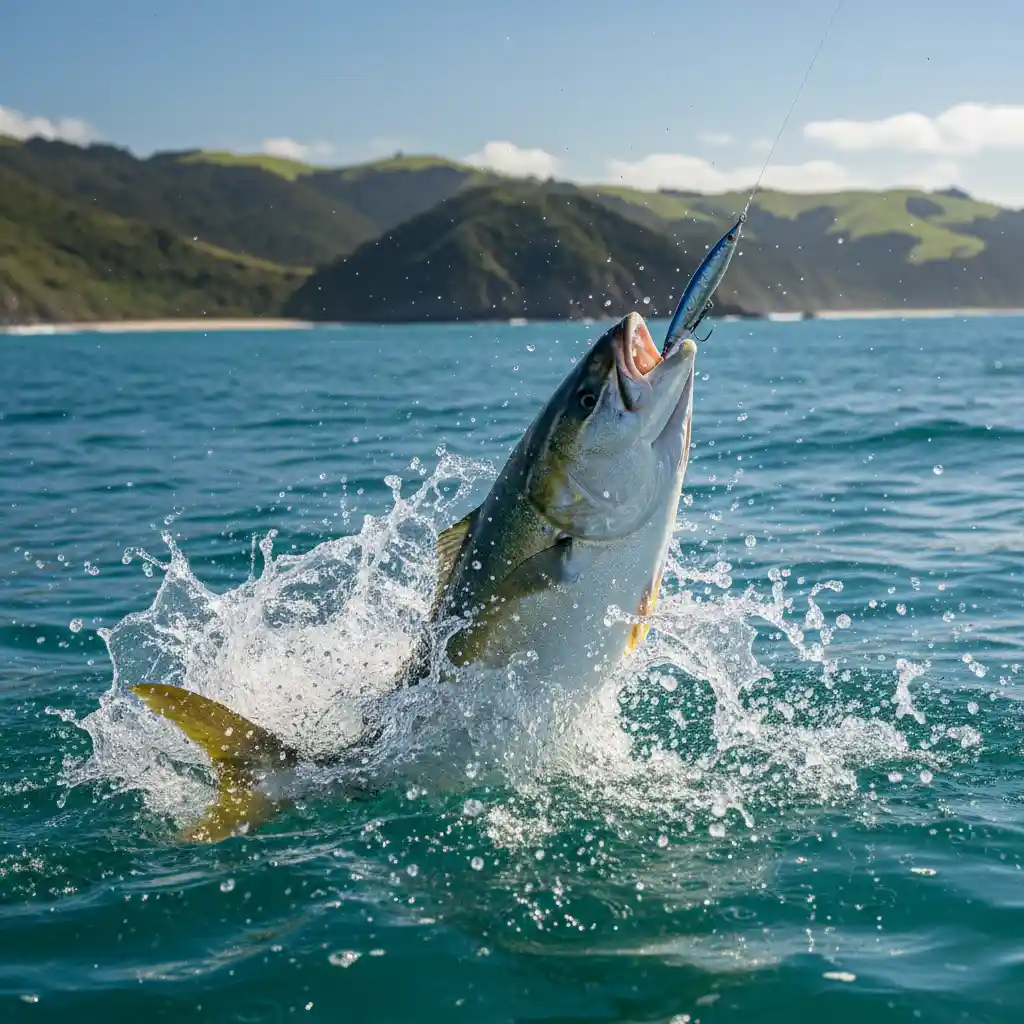
However, summer is also synonymous with the arrival of the “Kingies.” The Yellowtail Kingfish is New Zealand’s premier sport fish, pound-for-pound one of the hardest fighting fish in the ocean. They arrive in harbors and around headlands to hunt piper and mullet.
Targeting Kingfish
While you might be out targeting snapper, it pays to have a heavy rod rigged with a live bait or a topwater stickbait. Kingfish will often shadow schools of snapper or kahawai. If you spot a large green shape cruising behind your catch, that’s a Kingfish. The summer months are perfect for topwater fishing, where you use surface lures to entice explosive strikes. This visual form of fishing is addictive and pairs perfectly with a morning of snapper fishing.
Autumn: The Feeding Frenzy
Autumn (March to May) is often the “secret season” for savvy locals. The holiday crowds have dispersed, the weather is often settled with glassy calm days, and the fish are in hyper-feeding mode. They sense the approaching winter and gorge themselves to build up fat reserves.
During this time, snapper can be found almost anywhere, from the shallow kelp beds to the deep pins. The condition of the fish is usually excellent—thick, heavy, and strong. This is also a great time for mixed bags, where you might catch snapper, trevally, john dory, and gurnard all in the same session. The “change of light” (dawn and dusk) becomes a critical window, with bite times extending longer than they do in the bright midday sun of summer.
Winter: Straylining for Big Snapper
Many fair-weather fishermen pack their gear away in June, but this is a mistake. Winter (June to August) is the domain of the trophy hunter. As the water cools, the smaller “pannie” sized snapper (30-40cm) tend to move out to deeper water or become less active. However, the large, resident snapper often stay in the shallow, foul ground.
The Art of Straylining
Straylining is the most effective technique for winter snapper. This involves using lightly weighted or unweighted baits (like whole pilchards or mackerel) cast into wash, reef edges, or kelp lines. The goal is to make the bait look as natural as possible as it sinks.
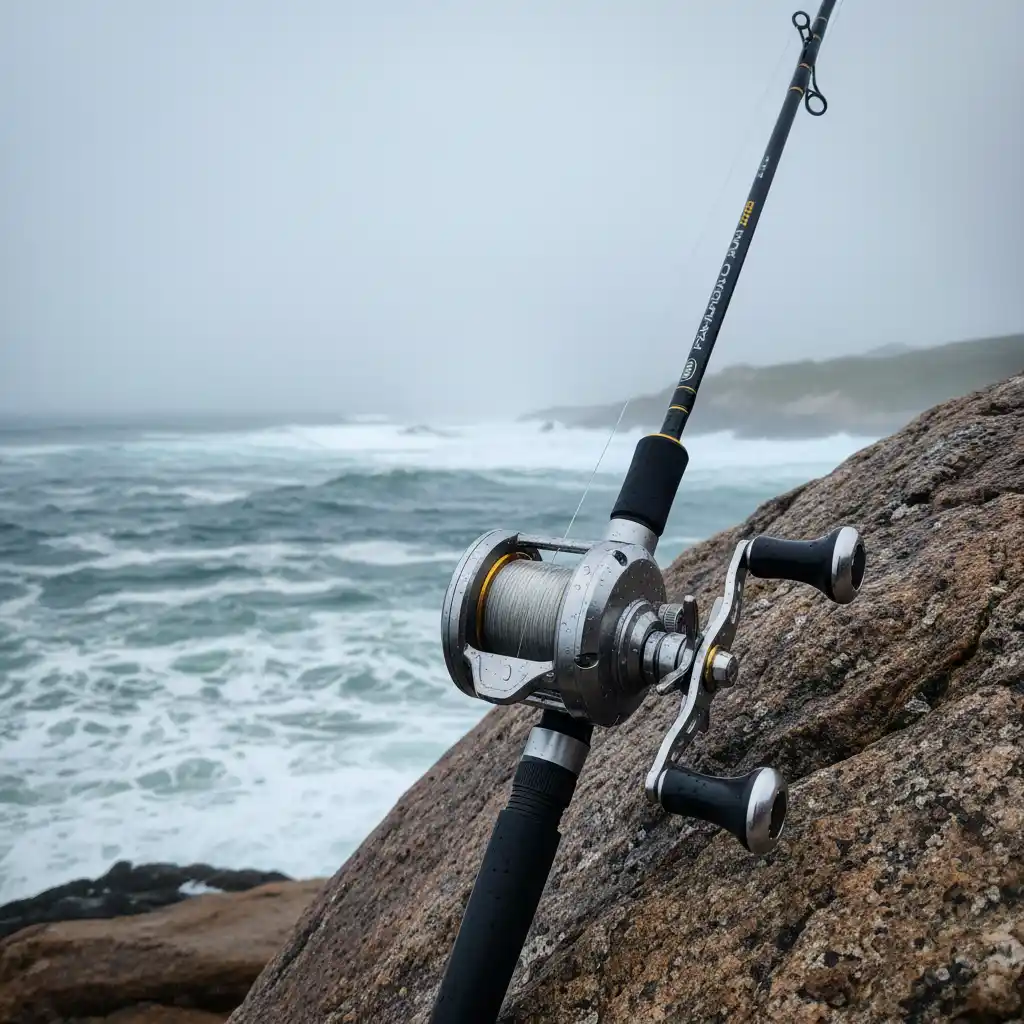
Winter fishing requires patience. You are not fishing for numbers; you are fishing for one or two giant fish. The bite is often subtle—a heavy weight on the line rather than a frantic rattle. Because you are fishing in shallow, rocky structure, the fight is intense. You need strong gear (10kg-15kg line) to stop these big fish from busting you off in the kelp.
Why Winter Produces Giants
Biological studies and local lore agree that big snapper are territorial. In winter, with less competition from smaller schooling fish, these giants have the pick of the food. They will venture into very shallow water, sometimes less than 2 meters deep, under the cover of darkness or low light conditions. This makes winter the prime season for land-based anglers targeting 20lb+ fish off the rocks.
Squid Season at the Wharves
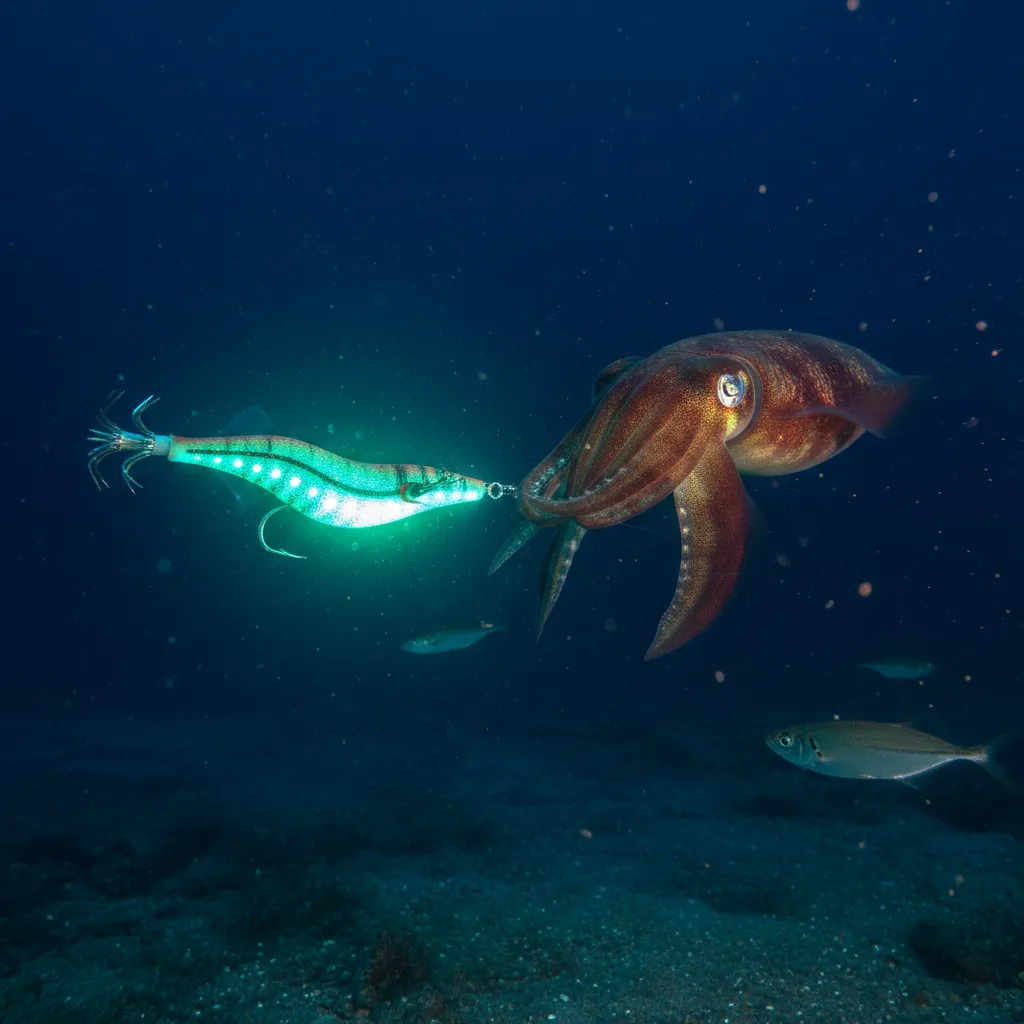
While the boaties are chasing snapper, the wharves and jetties of New Zealand transform during the cooler months. From late autumn through winter, Broad Squid (Sepioteuthis australis) move into harbors to spawn. This has created a cult following of “eging” (squid fishing) enthusiasts.
Squid fishing is accessible, requires minimal gear, and produces some of the finest eating seafood available. The key is to fish at night or low light around illuminated areas like wharf lights, which attract the baitfish that squid hunt.
Squid Jigging Tactics
Using specialized squid jigs (egi) that mimic prawns, anglers cast out and use a “hop and drop” retrieve. The strike feels like a snag or a plastic bag drifting in the water. Once hooked, a steady retrieve is necessary to prevent the squid’s tentacles from tearing. Fresh calamari is a winter delicacy in NZ, and catching them is a great way to stay active during the colder evenings.
Essential Gear and Techniques for the Year
To successfully navigate the full snapper fishing season NZ has to offer, a versatile approach to gear is recommended. You don’t need a garage full of rods, but two specific setups will cover 90% of scenarios.
1. The Softbait/Light Jigging Set
- Rod: 7ft to 7ft 6in, 4-8kg rating. Fast action graphite.
- Reel: 2500 to 3000 size spinning reel.
- Line: 15lb to 20lb braid with a 20lb fluorocarbon leader.
- Use: Perfect for spring workups, summer drifting, and casting soft baits into the wash. This is a high-sensitivity setup that allows you to feel the smallest bites.
2. The Strayline/Bait Set
- Rod: 7ft, 6-10kg or 10-15kg rating. Composite construction for durability.
- Reel: 4000 to 6000 size spinning reel or a baitrunner style reel.
- Line: 20lb to 30lb monofilament or heavy braid.
- Use: Essential for winter fishing, big baits, and fishing around heavy structure where abrasion resistance is key.
Conservation and Sustainability
New Zealand’s fisheries are a shared resource, and their sustainability relies on responsible angling. The “limit is not a target” is a mantra adopted by many modern fishermen. While the daily bag limit varies by region (typically 7 snapper in the SNA1 region), taking only what you need for a fresh feed is encouraged.
Be aware of the size limits (usually 30cm for snapper) and use best practices for release. This includes using circle hooks to prevent deep hooking, handling fish with wet hands or a wet towel to protect their slime coat, and using release weights for fish suffering from barotrauma when pulled from depths greater than 20m.
By respecting the seasonal cycles and fishing responsibly, we ensure that the legendary snapper fishing season in NZ remains world-class for generations to come.
People Also Ask
What months are best for snapper fishing in NZ?
The best months for high numbers of snapper are typically from October to April, with spring (Oct-Nov) offering intense workup action and summer (Dec-Feb) providing excellent inshore opportunities. However, for trophy-sized fish, the winter months of June through August are often considered superior.
Can you catch snapper in winter in NZ?
Yes, absolutely. While the quantity of fish may decrease as smaller snapper move deeper, winter is the prime season for catching large, trophy snapper in shallow water. Straylining with large oily baits around kelp lines and rocky outcrops is the most effective winter technique.
What is the legal size for snapper in NZ?
The legal minimum size for snapper varies by region. In the SNA1 area (East Coast of the North Island from North Cape to Cape Runaway), the minimum size is 30cm. In other areas, it can be 25cm or 27cm. Always check the latest MPI (Ministry for Primary Industries) regulations for your specific location before fishing.
Where are the best spots for snapper fishing in Auckland?
Top spots in the Auckland region include the channels around Rangitoto and Motutapu Islands, the Tiritiri Matangi channel, and the worm beds north of the Noises. In winter, land-based fishing off the rocks at Whangaparaoa Peninsula or Tamaki Drive can also be productive.
How do you catch kingfish in New Zealand?
Kingfish are best targeted using live baits (such as jack mackerel or kahawai) or by using mechanical jigging lures over deep reefs. In summer, topwater stickbaits and poppers are very effective surface techniques. They are strong fighters, so heavy gear (24kg-37kg) is often recommended.
When is squid season in New Zealand?
Squid season typically runs from late autumn through winter (May to August). During this time, broad squid move into harbors and bays to spawn, making them accessible to anglers fishing from wharves and rocks, particularly at night.