
Visiting Goat Island in March and April offers the optimal balance of warm water temperatures and reduced crowds. As part of New Zealand’s autumn shoulder season, the ocean retains summer heat due to thermal lag, providing excellent visibility for snorkeling while avoiding the peak summer congestion common in Leigh.
For marine enthusiasts and casual tourists alike, the timing of a visit to the Cape Rodney-Okakari Point Marine Reserve (commonly known as Goat Island) is critical. While summer attracts the masses, the shoulder seasons—specifically late Autumn and early Spring—offer distinct environmental advantages that can define the quality of your underwater experience. This guide explores why the months of March and April are widely considered the hidden gems of New Zealand marine tourism.
Why Choose Goat Island in March and April?
The period immediately following the peak summer rush is often referred to as the “Golden Season” by local dive operators in the Hauraki Gulf. Visiting Goat Island in March and April presents a unique convergence of favorable conditions that are often overlooked by the average tourist who assumes February marks the end of beach weather.
In New Zealand, the atmospheric seasons do not perfectly align with marine seasons. While air temperatures may begin to drop slightly in late March, the ocean operates on a different schedule. The sheer volume of water in the Pacific Ocean takes a long time to heat up and an equally long time to cool down. Consequently, March often boasts the warmest water temperatures of the year, frequently surpassing those found in December or January.

Furthermore, the sun angle in autumn is lower, creating spectacular lighting conditions underwater for photographers. The rays penetrate the water column at an angle that highlights the texture of the kelp forests and the iridescent scales of the resident snapper, without the harsh, direct glare of the mid-summer solstice. Combining this with the drastic reduction in visitor numbers after the school holidays conclude, March and April emerge as the superior months for serious marine observation.
The Science of Water Temperature Lag in Autumn
To understand why Goat Island in March and April is so pleasant, one must understand the phenomenon of seasonal lag (or thermal lag). This is the delay between the maximum solar insolation (sunlight) and the maximum temperature of the ocean.
What water temperatures can be expected?
During March, water temperatures at Goat Island typically hover between 20°C and 22°C (68°F – 72°F). This is significantly warmer than November (Spring), where temperatures can be as low as 15°C to 16°C. Even into late April, the water often remains near 19°C, which is comfortable for extended snorkeling sessions with a standard 3mm wetsuit.
This thermal retention is crucial for marine life activity. Many subtropical species that visit the reserve are most active during this thermal peak. You are more likely to see schools of Kingfish hunting in the channel and large stingrays resting in the sandy shallows during the autumn months because their metabolic rates are supported by the warmer water column.
Spring Snapper Spawning vs. Autumn Tranquility
While this guide focuses heavily on the benefits of Autumn, it is essential to compare this with the opposing shoulder season: Spring (September, October, November). The marine dynamics change drastically between these two periods.
What happens during the Spring season?
Spring at Goat Island is defined by the reproductive cycle of the New Zealand Snapper (Pagrus auratus). As the water begins to warm slightly after winter, snapper move into the shallow, protected waters of the reserve to spawn. This creates a spectacle of high activity; the fish can be more aggressive, territorial, and abundant in shallow depths.

However, this biological fascination comes with a trade-off: visibility and temperature. Spring is historically the windiest time of year in the Hauraki Gulf, and the water is at its coldest point after the winter chill. Plankton blooms are also more common in spring, which feeds the fish but can reduce underwater visibility to less than 5 meters. In contrast, Goat Island in March and April usually offers settled sediment and clearer waters, allowing for visibility that can exceed 15 to 20 meters on good days.
Wind Patterns and Visibility in Shoulder Seasons
Visibility at Goat Island is dictated almost entirely by wind direction and swell. The reserve faces north/north-east. Therefore, for the water to be calm and flat (glassy), you generally need offshore winds coming from the South or South-West.
How do Autumn winds differ from Spring winds?
New Zealand’s weather patterns in Spring are dominated by disturbed westerlies and equinox winds, which can be strong and unpredictable. While a strong Southwest wind smooths out the water at Goat Island, the sheer velocity of spring winds can make the beach unpleasant.
March and April, conversely, are often characterized by large, slow-moving high-pressure systems sitting over the Tasman Sea. These systems bring light winds and clear skies. While there is always a risk of a tropical cyclone tail affecting the North Island in late summer, the periods between weather systems in Autumn are generally calmer than in Spring. This stability reduces the suspension of sand and sediment in the water, resulting in the crystal-clear “aquarium” effect that the reserve is famous for.
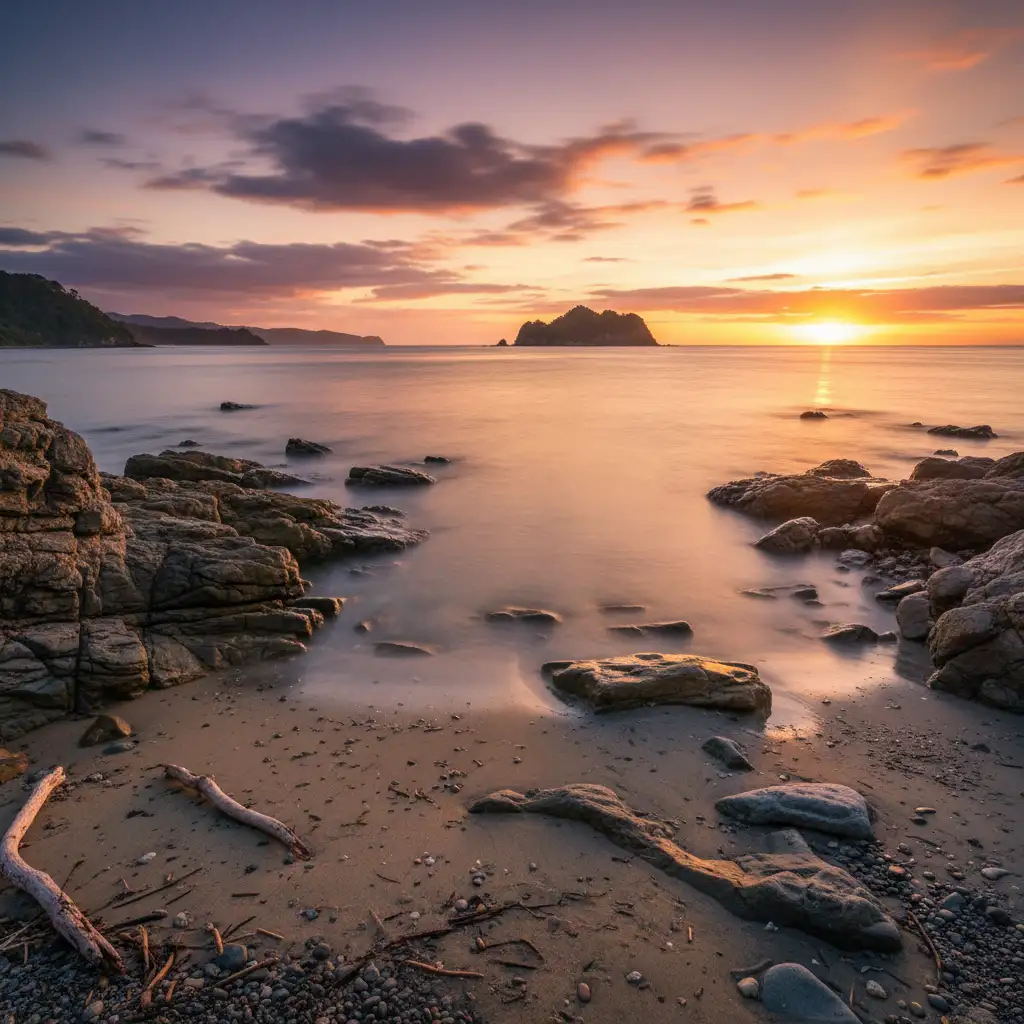
Accommodation Availability in Leigh and Matakana
One of the most practical reasons to target the shoulder season is logistics. Leigh is a small coastal community, and during January, the infrastructure is stretched to its breaking point. Traffic jams to get into the Goat Island car park are common, and finding accommodation is nearly impossible without booking six months in advance.
Is it easier to find a place to stay in Autumn?
Absolutely. By March, the “Bach” (holiday home) rental market opens up significantly. Prices for Airbnb listings and local motels in Leigh and nearby Matakana often drop by 20-30% compared to peak summer rates. You are far more likely to secure a property with sea views or close proximity to the reserve.
Furthermore, the Goat Island Camping Ground, which is often fully booked in summer, usually has availability in March and April. This allows for a more spontaneous trip where you can watch the weather forecast and decide to drive up for the weekend when conditions look perfect, rather than being locked into a trip during a summer storm.
Gear Guide: Wetsuits and Equipment
Even though the water is at its warmest, thermal protection is still recommended for safety and comfort. Prolonged exposure to 21°C water will eventually lower your core body temperature.
- March/April (Autumn): A 3mm full-length wetsuit is the industry standard. It provides protection against the sun (UV is still high in March), jellyfish stings, and scrapes against rocks, while keeping you warm enough for a 45-60 minute snorkel.
- September/October (Spring): You will likely require a 5mm wetsuit, or a 3mm suit with a hooded vest. The water is significantly colder, and hypothermia is a genuine risk for unprepared swimmers.
Local hire shops at Goat Island are well-stocked, but in the shoulder season, you avoid the long queues to rent gear. This personalized service ensures you get a properly fitted suit, which makes a massive difference in water comfort.
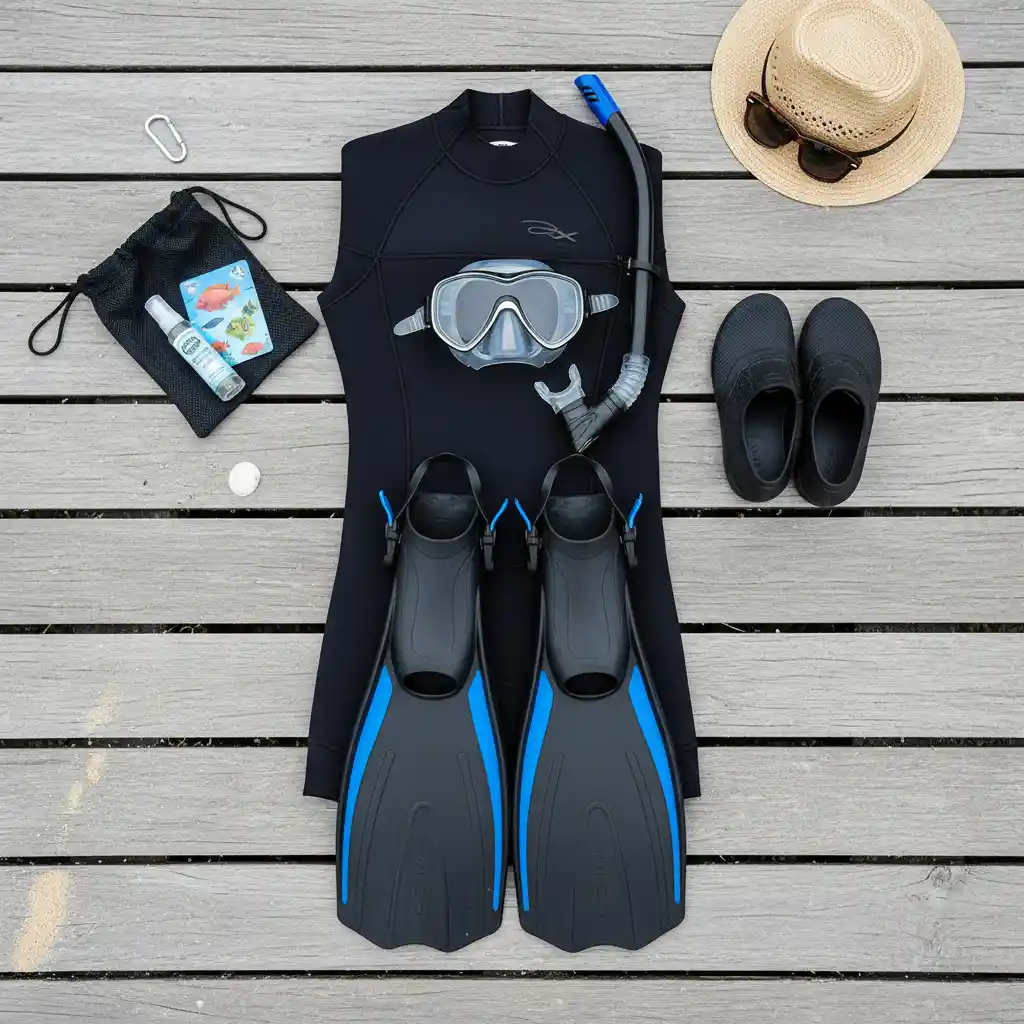
Beyond the Beach: Matakana in Autumn
A trip to Goat Island in March and April also aligns perfectly with the harvest season in the surrounding Matakana region. This area is famous for its boutique vineyards and artisan food producers.
Autumn is harvest time for grapes, meaning the vineyards are vibrant and active. The famous Matakana Village Farmers’ Market (held on Saturdays) is overflowing with autumn produce, including feijoas, figs, and late-season stone fruit. Because the summer crowds have dissipated, you can enjoy wine tastings and market visits without the suffocating density of people found in January.
Additionally, the coastal walks, such as the Goat Island Walkway, are far more pleasant in the cooler air temperatures of April. Hiking up the cliffside in 28°C summer heat can be grueling, but in the crisp 18°C-20°C air of Autumn, it is a refreshing complement to a morning snorkel.
Conclusion
While the allure of a summer holiday is strong, the savvy traveler knows that the true magic of the Hauraki Gulf is unlocked in the shoulder seasons. Specifically, prioritizing a trip to Goat Island in March or April grants you the best of all worlds: warm water, high visibility, active marine life, and the peace and quiet necessary to truly appreciate New Zealand’s oldest marine reserve.
What is the water temperature at Goat Island in April?
In April, the water temperature at Goat Island typically ranges between 19°C and 21°C (66°F – 70°F). Due to thermal lag, the ocean retains heat from the summer, making it significantly warmer than the air temperature on some days.
Is it safe to snorkel at Goat Island in March?
Yes, March is considered one of the safest and best times to snorkel. The weather is generally stable with less wind than spring, and water visibility is often at its peak. However, always check the swell forecast before entering the water.
Do I need a wetsuit for Goat Island in Autumn?
Yes, a wetsuit is highly recommended. While the water is relatively warm (approx. 20°C), a 3mm wetsuit provides buoyancy, warmth for longer swims, and protection against the sun and minor abrasions.
Are the glass bottom boats running in March and April?
Yes, the glass bottom boat tours at Goat Island operate year-round, weather permitting. March and April are excellent months for this as the reduced wind often results in clearer waters, allowing for better viewing of marine life from the boat.
What fish can I see at Goat Island in Autumn?
During March and April, you can expect to see large Snapper, Blue Maomao, Parore, and Red Moki. It is also a common time to spot Stingrays and Eagle Rays cruising in the shallow waters.
Is parking difficult at Goat Island in the shoulder season?
Parking is significantly easier in March and April compared to the peak summer months of December and January. While weekends may still see moderate traffic, you are much more likely to find a parking spot near the beach without a long wait.