Deciding between snorkel hire vs buying gear in NZ depends largely on usage frequency and hygiene preferences. For a one-off visit to Goat Island, renting is cost-effective, typically costing $30-$50 NZD per day. However, purchasing your own mask and snorkel ($60-$100 NZD) is recommended for hygiene and fit, while renting bulky items like wetsuits and fins remains the practical choice for travelers.
When planning a trip to the pristine waters of the Goat Island Marine Reserve or the wider Matakana Coast, the question of equipment logistics is paramount. The New Zealand marine environment is unique; the water is cooler, the coastline is rockier, and the marine life is abundant. This guide provides a detailed commercial analysis to help you decide whether to invest in your own kit or rely on local rental services in Leigh.
The Economics: Cost of Daily Hire in Leigh vs. Purchase Price
The primary driver for most visitors is the financial implication. Snorkeling is often viewed as a low-cost activity, but the hidden costs of equipment can add up quickly. In the Leigh and Matakana area, rental prices are dictated by the high seasonality of the tourism market and the maintenance required for saltwater gear.
Current Rental Market Rates
If you are visiting Leigh for a single day, hiring is undeniably the most economical option. Local dive shops near Goat Island typically structure their pricing in tiers:
- Full Gear Set (Mask, Snorkel, Fins, Wetsuit): Expect to pay between $40 and $60 NZD for a full day hire.
- Wetsuit Only: $20 to $30 NZD.
- Mask, Snorkel, and Fins Only: $25 to $35 NZD.
For a family of four, a single day out can cost upwards of $200 NZD in gear hire alone. If you plan to snorkel for three or more days during your New Zealand summer holiday, the cumulative cost of renting ($120-$180 per person) begins to approach the entry-level purchase price of owning your own basic set.
The Investment of Buying
Buying gear involves a higher upfront capital outlay but offers long-term savings. In New Zealand marine shops:
- Entry-Level Mask & Snorkel Set: $50 – $90 NZD.
- High-Quality Silicone Mask: $100 – $180 NZD.
- Open Heel Fins (with booties): $150 – $250 NZD.
- 5mm-7mm Wetsuit: $300 – $600+ NZD.
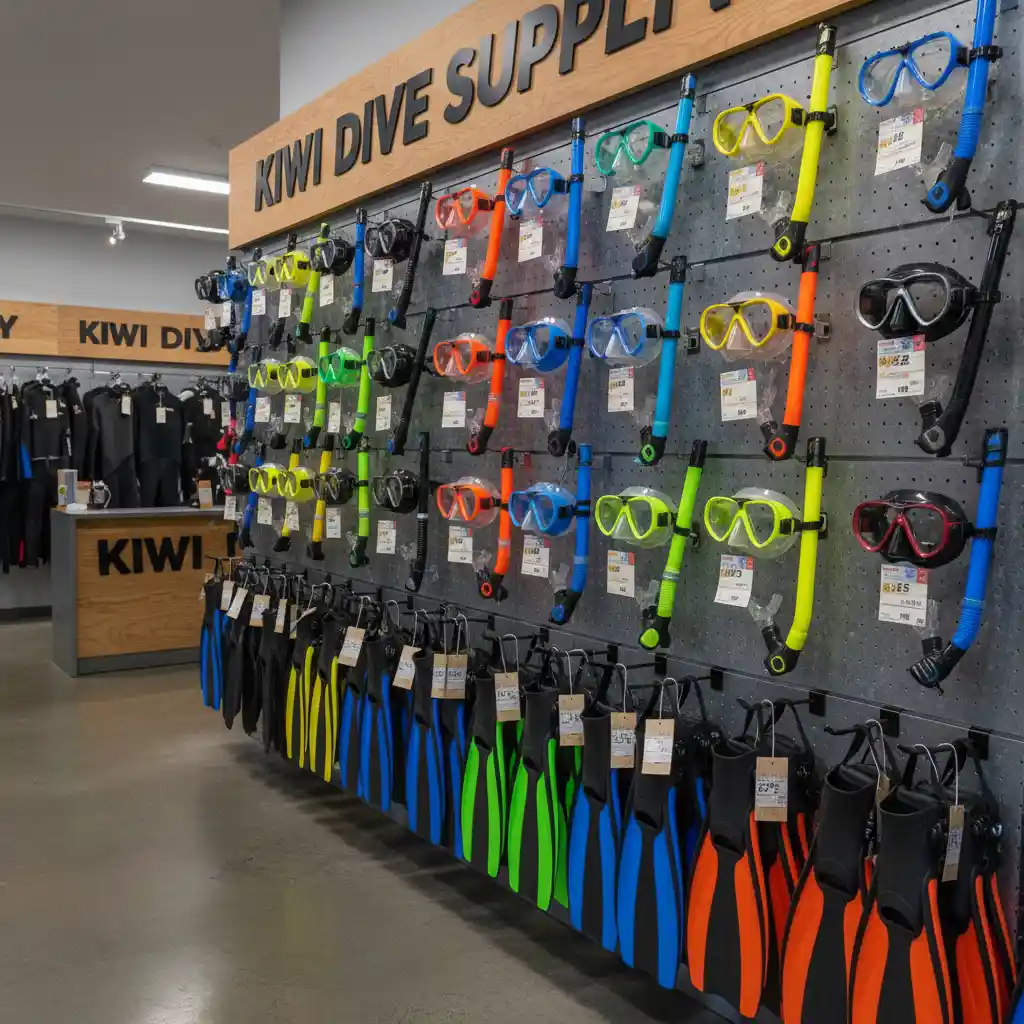
The Break-Even Point: If you only buy a mask and snorkel, the break-even point is roughly 3 days of rental usage. However, if you purchase a full wetsuit and fins, you would need to snorkel approximately 10-12 times to justify the cost compared to renting. Therefore, for most casual tourists, buying a wetsuit is unnecessary, but buying a mask is a smart financial move.
Hygiene Considerations: The Hidden Reality of Rentals
Post-pandemic awareness regarding hygiene has shifted consumer behavior significantly. While reputable operators in Leigh and Warkworth adhere to strict cleaning protocols, the “yuck factor” remains a valid concern for many marine tourists.
Sanitization Protocols
Standard industry practice involves dipping gear into a solution containing commercial sanitizers (like Virkon or similar broad-spectrum disinfectants) followed by a fresh water rinse. While this kills the majority of bacteria and viruses, it does not remove all physical residue.
The Mouthpiece Issue
The snorkel mouthpiece is the most intimate piece of equipment. It goes directly into your mouth and is bitten down on for hours. Rental snorkels often show signs of wear—bite marks from previous users are common. Even if sterile, the texture of a chewed mouthpiece can be uncomfortable and psychologically off-putting. Furthermore, rental snorkels are often basic “J-tube” styles without purge valves, which can retain saliva and seawater.
Mask Mold and Fit
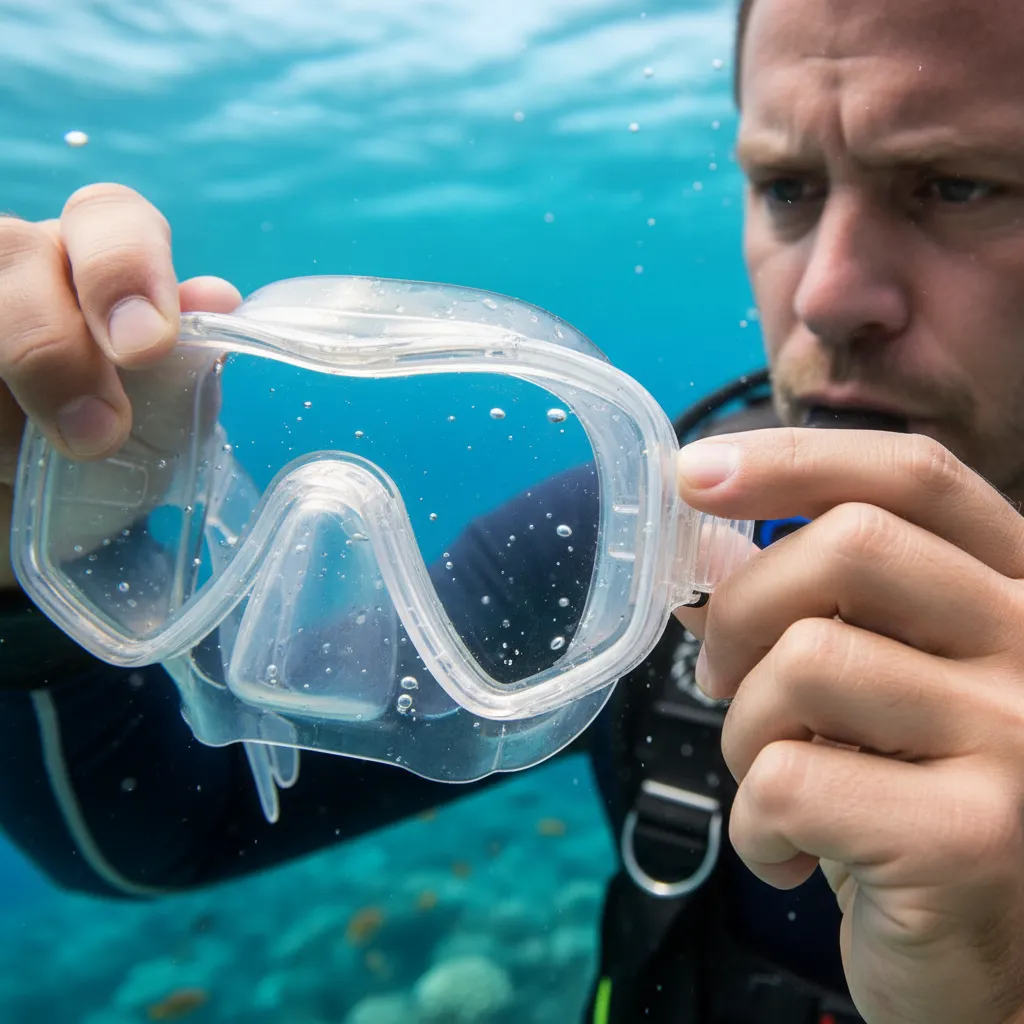
Rental masks are cleaned daily, but the skirt (the silicone part that touches your face) can harbor microscopic mold in the crevices if not dried perfectly between uses. More importantly, a mask needs to fit your specific face shape to be watertight. Rental fleets usually stock “one-size-fits-most” masks. If you have a narrow face or facial hair, a rental mask is far more likely to leak, ruining the experience with constant fogging and water ingress.
Quality and Fit of Rental Wetsuits in NZ Waters
New Zealand waters are not tropical. Even in the height of summer (February), the water temperature at Goat Island rarely exceeds 20-22°C (68-71°F). In winter and shoulder seasons, it drops significantly. This makes the quality of the wetsuit critical for enjoyment and safety.
Thickness Matters
To snorkel comfortably in Leigh for more than 20 minutes, you generally need a 5mm or 7mm wetsuit. Most rental shops in Leigh are well-equipped with these thicker suits because they understand the local conditions. If you were to buy a cheap wetsuit from a general department store, it would likely be a 3mm “shorty” or a surfing suit, which provides insufficient thermal protection for snorkeling where you are relatively motionless in the water.
Buoyancy and Condition
Rental wetsuits see heavy traffic. Over time, the neoprene compresses, losing both its insulating properties and its buoyancy. A brand new 7mm suit is incredibly warm and buoyant, helping poor swimmers stay afloat effortlessly. A rental suit that has been used for two seasons may only offer the warmth equivalent of a 4mm suit.
Additionally, fit is crucial for warmth. A wetsuit works by trapping a thin layer of water against the skin. If a rental suit is loose in the armpits or lower back—common issues when you are between sizes—cold water will flush through constantly, chilling you rapidly. Buying your own suit guarantees a snug fit, but given the bulk and cost ($300+), renting is usually the acceptable compromise for the casual visitor.
Where to Buy Gear in Warkworth and Matakana
If you decide to purchase gear—particularly a mask and snorkel set—before heading to the reserve, you have several options in the local hub of Warkworth and the Matakana region. It is highly advisable to buy gear before you reach the beach to avoid paying premium convenience prices.
Specialist Marine & Dive Shops
For the best advice and fitting, visit a dedicated marine retailer. In Warkworth, there are marine supply stores catering to boaties and divers. Here you will find brands like Mares, Cressi, and Beuchat. Staff here can perform a “fit test” for your mask (holding it to your face without the strap to see if suction holds it in place).
General Sports & Outdoors Stores
Warkworth is home to large-format outdoor retailers. These are excellent places to buy mid-range gear. Look for “tempered glass” on the lens description. Avoid plastic lenses (often found in toy sets) as they scratch instantly and distort vision.
The Matakana Market Approach
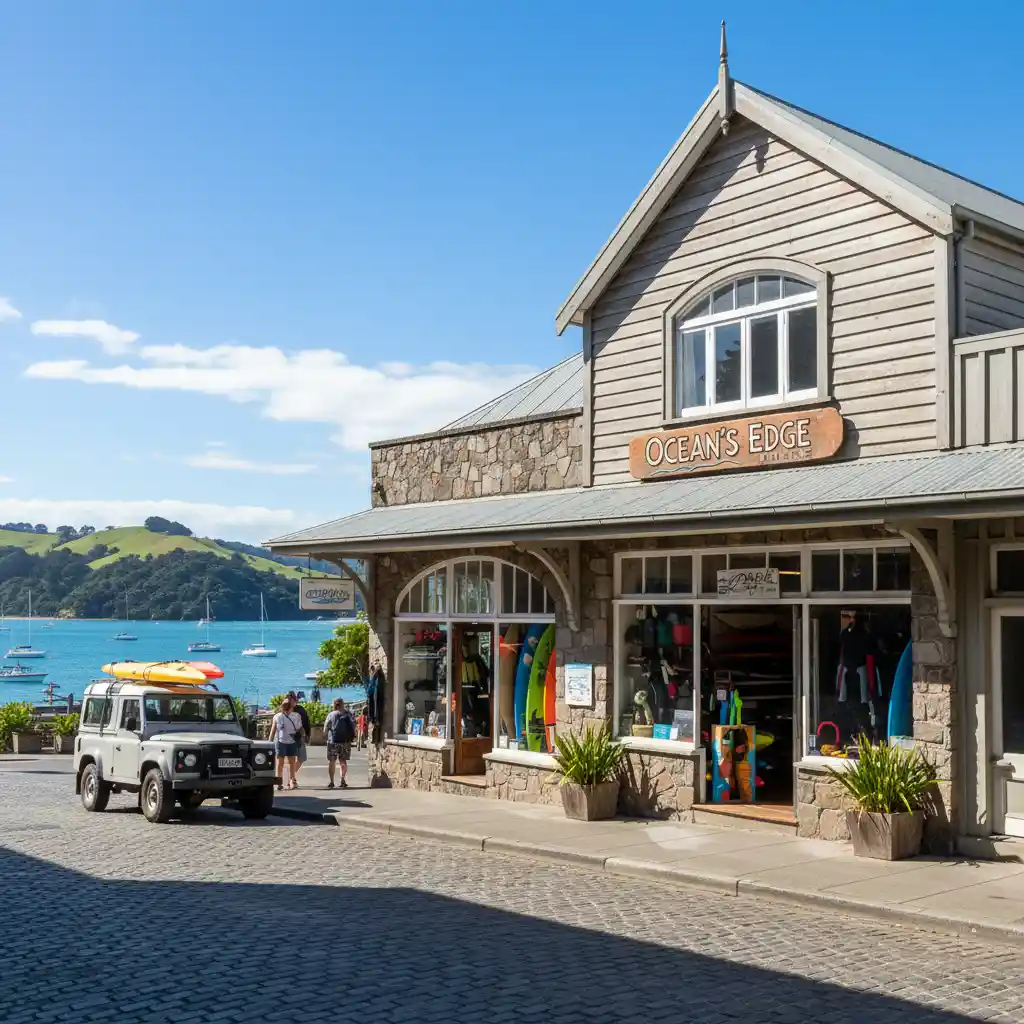
While Matakana is famous for its farmer’s market, you won’t typically find technical dive gear here. Stick to Warkworth for hardware. However, Matakana village has boutique surf shops that may stock high-end rash tops and summer swimwear suitable for warmer days.
Goat Island Specifics: What Gear Do You Actually Need?
Understanding the terrain of the Goat Island Marine Reserve is essential for the hire vs. buy decision. It is not a sandy beach entry; it involves navigating slippery rocks and boulders.
The Necessity of Booties and Fins
You cannot comfortably walk into the water at Goat Island barefoot. The rocks are covered in barnacles and oysters.
Rental Context: Rental fins are usually “full-foot” fins (worn like a shoe) or adjustable fins worn with neoprene socks.
Buying Context: If you buy gear, you must buy neoprene booties (approx. $50-$80 NZD) and open-heel fins. Buying full-foot fins is a mistake for this location as you will struggle to walk over the rocks to the water’s edge without cutting your feet.
Weight Belts
Because the required wetsuits are thick (7mm), they are very buoyant. You may find it difficult to dive down to look under ledges. Rental shops can provide weight belts, which are heavy and impractical to buy or travel with. This is a strong point in favor of renting.
The Verdict: The Hybrid Strategy
For the optimal balance of hygiene, cost, and comfort in New Zealand, the “Hybrid Approach” is the professional recommendation for 90% of visitors.
Buy: Your own Mask and Snorkel.
Why? It’s affordable ($60-$100), ensures a leak-free fit, guarantees hygiene, and packs easily in luggage.
Rent: Wetsuit and Fins.
Why? These are bulky, expensive to buy ($400+ for the set), and difficult to dry and transport. Rental shops in Leigh offer heavy-duty 7mm suits specifically suited to the local climate that you likely wouldn’t use elsewhere.
By adopting this strategy, you avoid the “yuck factor” of a rental snorkel while avoiding the heavy investment of a cold-water wetsuit you might never use again.
Frequently Asked Questions
How much does it cost to hire snorkel gear at Goat Island?
A full set of gear (mask, snorkel, fins, and wetsuit) typically costs between $40 and $60 NZD per day from hire shops in Leigh or at the beach.
Do I really need a wetsuit for snorkeling in New Zealand?
Yes. Even in summer, water temperatures at Goat Island hover around 20°C. To stay in the water long enough to enjoy the marine life (30-60 minutes), a 5mm or 7mm wetsuit is highly recommended.
Are rental snorkels sanitary?
Rental shops use commercial disinfectants to clean gear. However, they cannot remove physical wear or bite marks. For guaranteed hygiene, buying your own snorkel is the safest option.
Can I buy snorkel gear at Goat Island beach?
There is limited retail availability directly at the beach. It is much better to purchase gear in Warkworth or Matakana before driving the final 20 minutes to the reserve.
What is the best thickness for a wetsuit in Leigh?
A 7mm wetsuit is the standard for comfort, especially if you feel the cold. A 5mm suit may suffice on very hot days in February, but anything less is usually insufficient for prolonged snorkeling.
Is it better to buy cheap gear or rent high-quality gear?
It is generally better to rent high-quality thermal protection (wetsuits) than to buy cheap, thin ones. However, a cheap mask that fits well is better than a high-quality rental mask that leaks.