
When comparing Tawharanui vs Goat Island snorkeling, Tawharanui Marine Reserve offers a superior experience for advanced snorkelers seeking seclusion, diverse marine topography, and on-site camping, though it requires bringing your own gear. In contrast, Goat Island is better suited for beginners due to its easy accessibility, on-site equipment rental, and calmer, albeit significantly more crowded, waters.
Tawharanui vs Goat Island: Detailed Comparison
For marine enthusiasts visiting the Hauraki Gulf, the choice between Tawharanui Marine Reserve and Cape Rodney-Okakari Point (Goat Island) often dictates the quality of the day trip. While both reserves are situated on the Matakana Coast and offer complete protection to marine life, the visitor experience differs drastically.
Which location has better visibility?
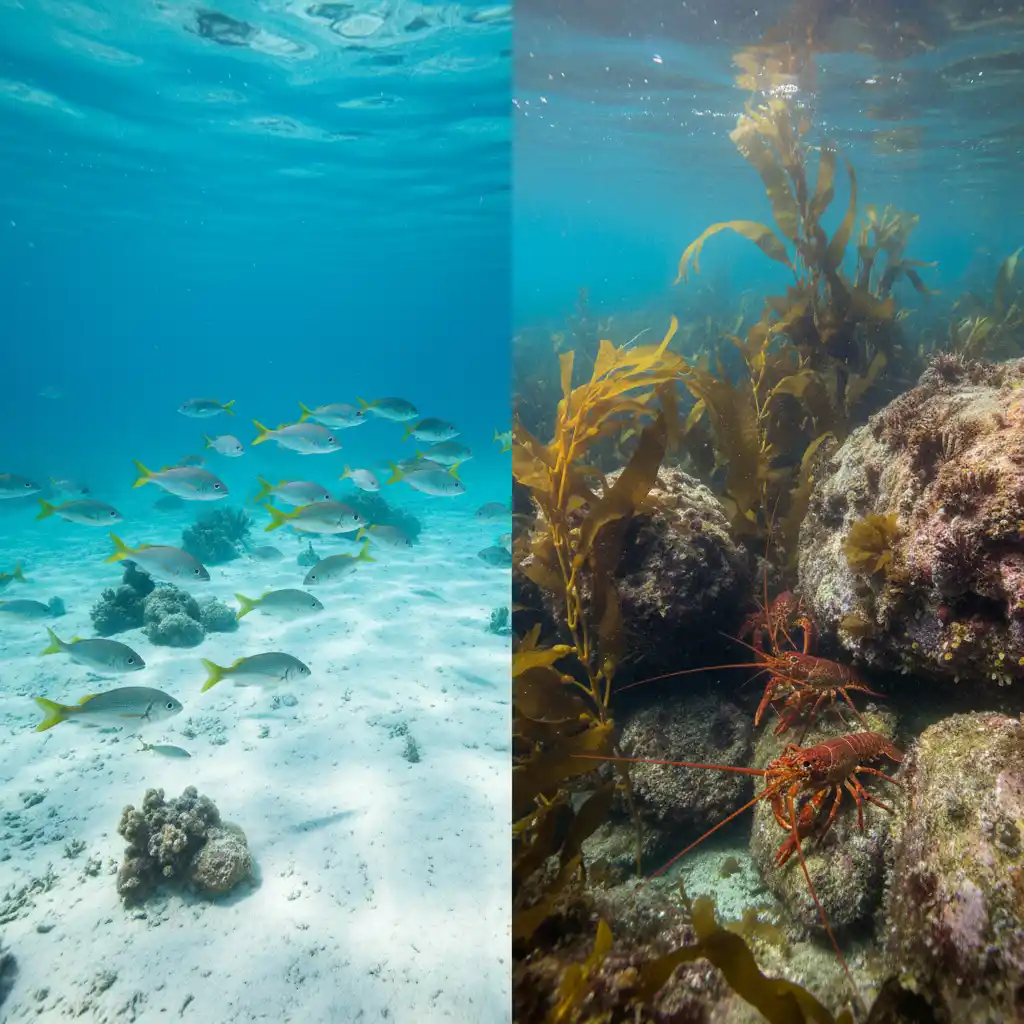
Both locations share similar oceanographic conditions as they are geographically close. However, Tawharanui’s Anchor Bay is more exposed to ocean swells than the sheltered channel of Goat Island. On calm days with offshore winds (South/Southwest), Tawharanui frequently offers crystal-clear visibility exceeding 15 meters, rivaling the best spots in Northland. Conversely, because Goat Island is a high-traffic zone, the shallow areas can sometimes become silty due to the sheer volume of swimmers kicking up sediment.
How do the crowds compare?
This is the deciding factor for many locals. Goat Island is New Zealand’s first marine reserve and acts as a magnet for tour buses and day-trippers. In peak summer, the beach is often standing-room only. Tawharanui, set at the end of a gravel peninsula within a Regional Park, naturally filters out the casual tourist. While popular, it retains a sense of wilderness that Goat Island has largely lost. If you are looking for a commercial, bustling vibe, Goat Island is the choice. If you seek a serene connection with nature, Tawharanui is the clear winner.
Marine Life Diversity
Goat Island is famous for its resident Snapper that swim right up to the shoreline. It is an “aquarium” experience. Tawharanui offers a wilder encounter. While you will still see large Snapper, the topography at Tawharanui features more complex rock formations, overhangs, and kelp forests. This environment supports a higher population of Crayfish (Rock Lobster), Eagle Rays, and schooling Maomao. It feels less like a petting zoo and more like a wild ecosystem.
Getting There: Accessibility and Drive Time
Understanding the logistics of reaching Tawharanui is crucial for planning your trip, especially if you are on a tight schedule or driving a rental vehicle.
How long is the drive from Auckland?
Tawharanui Regional Park is approximately 90 kilometers north of Auckland CBD. Without traffic, the drive takes about 1 hour and 20 minutes. However, traffic on State Highway 1 towards Warkworth can be heavy, particularly on weekends and holidays. It is advisable to leave early (before 8:00 AM) to maximize your time in the water.
Is the road to Tawharanui sealed?
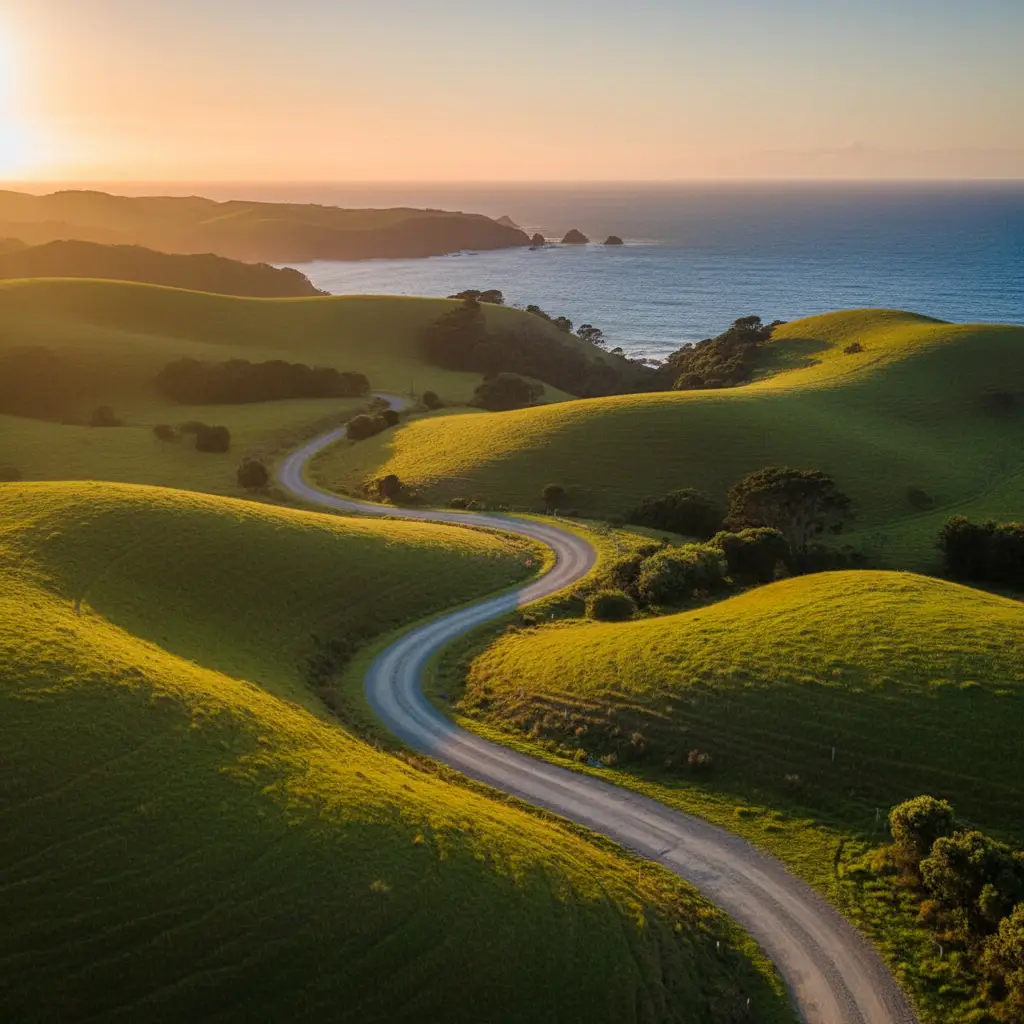
This is a critical distinction between the two reserves. The road to Goat Island is sealed tarmac all the way to the beach car park. In contrast, the final 6 kilometers of the journey to Tawharanui is a gravel road. While the council maintains it, the road can be corrugated and dusty. Visitors with low-clearance sports cars or strict rental car agreements regarding unsealed roads should take this into account. The drive, however, is scenic, winding through farmland and native bush before opening up to panoramic views of the Hauraki Gulf.
Snorkeling Conditions at Tawharanui
Once you arrive at Anchor Bay, the primary snorkeling destination within the park, you need to know where to look to get the most out of your swim.
Where are the best spots to enter the water?
Anchor Bay is divided by a central rock formation. The western side (left, looking at the sea) tends to be rockier with more kelp forests, ideal for spotting Crayfish and Moki. The eastern side (right) has a sandy entry that transitions into reef, which is generally easier for beginners or those adjusting their gear. For advanced freedivers, swimming out to Flat Rock (approx. 200m offshore) reveals deeper crevices and larger pelagic fish, though currents can be stronger here.
Safety and Tides
Snorkeling is generally best around high tide. At low tide, the rocky reef is exposed, making entry and exit difficult and potentially damaging to the delicate marine life. Unlike Goat Island, which has a dedicated warden station often manned by educators, Tawharanui is less monitored. You are responsible for your own safety. Always check the swell forecast; if the swell exceeds 1 meter, visibility drops significantly, and currents can become hazardous near the rocks.
Beyond the Water: Predator-Proof Fence Walks
Tawharanui offers a unique “mountains to sea” conservation value proposition that Goat Island cannot match. The entire peninsula is cut off from the mainland by a 2.5-kilometer predator-proof fence, creating an Open Sanctuary.

What wildlife can you see on the trails?
After your snorkel, the hiking trails offer a chance to dry off and witness New Zealand’s rarest birds. The sanctuary is home to flourishing populations of Takahe, North Island Brown Kiwi, Bellbirds (Korimako), and Kaka. The Ecology Trail is a popular loop that takes you through coastal forest and wetlands. Unlike many other parks, the birdlife here is deafeningly loud—a testament to the success of the pest eradication program. It creates a full-day itinerary: snorkel in the morning, hike in the afternoon, and spot Kiwi at dusk.
Camping at Tawharanui: Essential Guide
For those debating Tawharanui vs Goat Island for an overnight stay, Tawharanui wins by default as camping is not available directly at Goat Island Marine Reserve (though commercial campgrounds exist nearby).
How do you book a campsite?
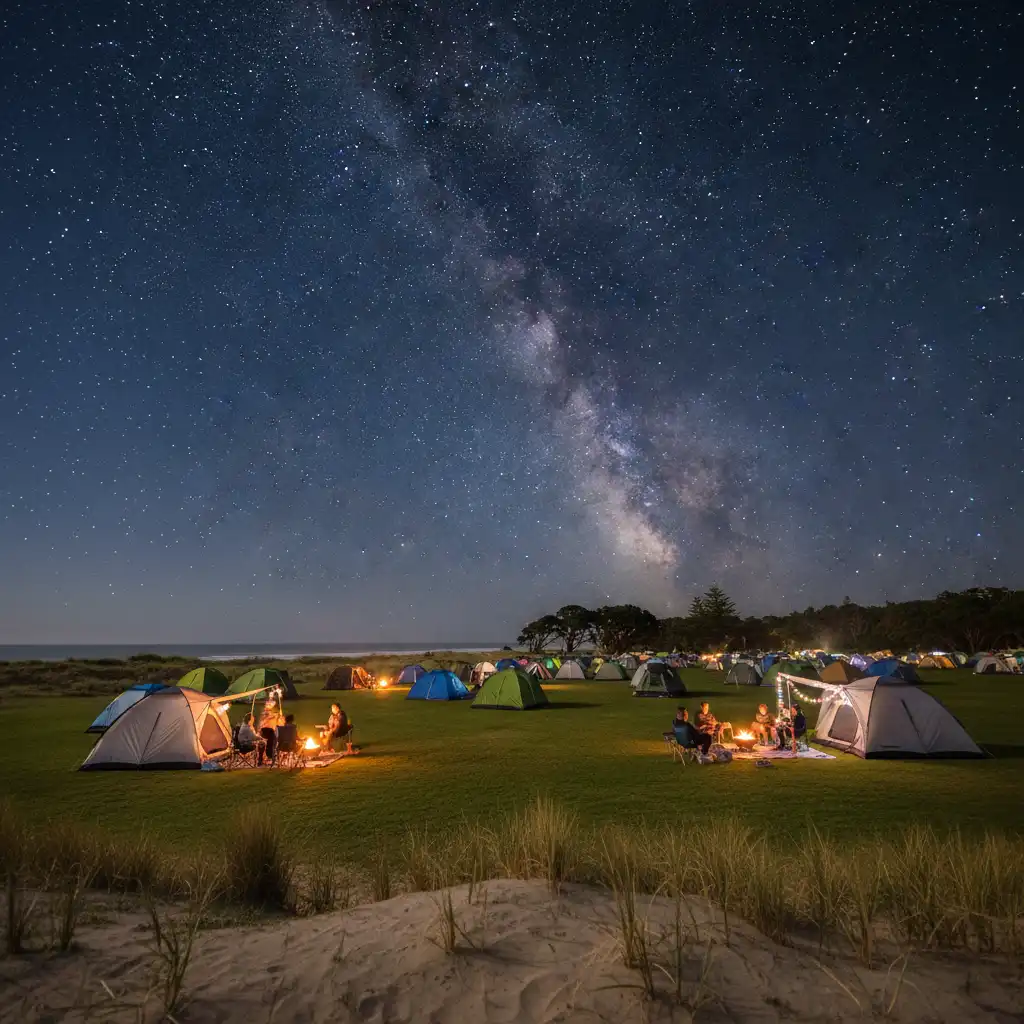
Tawharanui features an Auckland Council campground situated directly behind the dunes of the surf beach. It is one of the most sought-after camping spots in the country. Bookings open months in advance and sell out almost instantly for the summer season (December to February). You must book via the Auckland Council website. There are no “walk-in” spots available.
Facilities and Amenities
The campground is basic but functional, aligning with the “wilderness” aesthetic. Facilities include:
- Toilets: Long-drop (composting) and flush toilets are available.
- Water: Potable water taps are on-site, though boiling is recommended during high usage periods.
- Showers: Cold outdoor showers are available for rinsing off salt water. There are no hot showers or powered sites, so campers must be self-sufficient.
- Cooking: No communal kitchens. You must bring your own gas cooker. Open fires are strictly banned to protect the wildlife sanctuary.
Commercial Considerations: Gear and Supplies
When planning a commercial tourism trip or a family outing, the lack of on-site commerce at Tawharanui is a critical logistical detail.
Can you rent snorkel gear at Tawharanui?
No. There are no shops, cafes, or rental kiosks within Tawharanui Regional Park. If you arrive without a mask, snorkel, or fins, you will not be able to get in the water. This is the biggest differentiator from Goat Island, where multiple commercial operators (like Seafriends and Goat Island Dive) operate on the approach road, offering full gear hire, tank fills, and guided tours.
Where is the nearest place to get supplies?
The nearest town for supplies is Matakana, located about 20 minutes away by car. Matakana offers boutique shopping, a Four Square supermarket, and petrol stations. If you need snorkeling gear for Tawharanui, you must rent it in Warkworth, Matakana, or Auckland city before you drive the final leg. Ensure you pack all food, water, and sunblock required for the day, as the isolation is part of the park’s charm but can be inconvenient for the unprepared.
Summary of Costs
- Entry Fee: Free (Both reserves are free to enter).
- Parking: Free.
- Gear Rental: Approx. $30-$50 NZD per day (Must be rented off-site for Tawharanui).
- Camping: Approx. $16-$20 NZD per adult per night (Bookings essential).
What is the best time of year to snorkel at Tawharanui?
The best time to snorkel is between late January and April. During these months, the water temperature is at its warmest (peaking around 22°C/71°F), and the weather patterns are generally more stable, providing better underwater visibility. Avoid winter months unless you have a thick wetsuit (7mm), as temperatures drop to 14°C.
Are there sharks at Tawharanui Marine Reserve?
Yes, Bronze Whaler sharks are occasionally sighted, especially during summer. They are generally not aggressive toward swimmers. Seven-gill sharks and Hammerheads are rarer visitors. The most common “fearsome” looking animal you will encounter is the Eagle Ray, which is docile unless threatened.
Is Tawharanui suitable for children?
Yes, but with caution. The beach is a surf beach, meaning there can be waves and rips. However, the rock pools at low tide are fantastic for small children. For snorkeling, Goat Island is generally safer for very young children due to the sheltered nature of the channel, whereas Tawharanui requires more swimming confidence.
Can I fish at Tawharanui?
No. Tawharanui is a strict no-take marine reserve. All fishing, shellfish gathering, and disturbing of marine life is prohibited. This protection is why the snorkeling is so spectacular. Rangers patrol the area, and fines for breaching the Marine Reserves Act are substantial.
How far is Matakana from Tawharanui?
Matakana is approximately a 20-minute drive (15km) from the entrance of Tawharanui Regional Park. It is the perfect stop for a post-snorkel lunch or to visit the famous Saturday Farmers Market before heading into the park.
Do I need a 4WD to get to Tawharanui?
No, a 4WD is not required. The gravel road is accessible by standard 2WD vehicles, including sedans and hatchbacks. However, drive slowly to avoid stone chips and handle the corrugations comfortably. Lowered vehicles should exercise extreme caution.