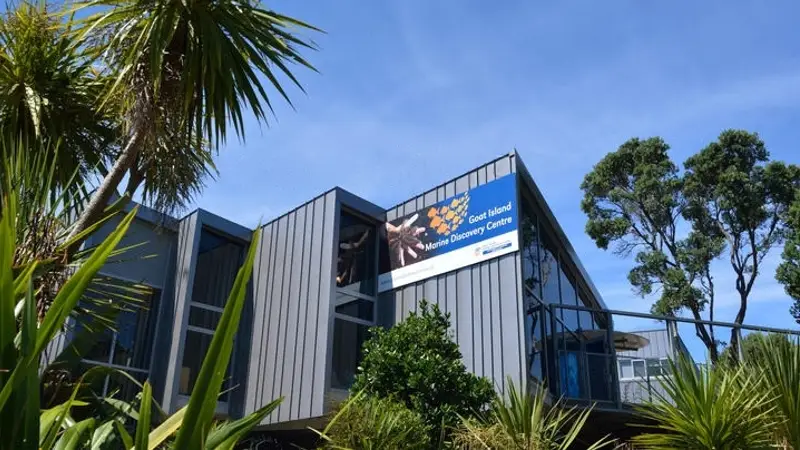
Why Goat Island Marine Discovery Centre is a Must-Visit in New Zealand
What makes the Goat Island Marine Discovery Centre special?
The Goat Island Marine Discovery Centre is a premier educational hub located at the edge of New Zealand’s first marine reserve. It is a must-visit because it offers an immersive, hands-on experience with marine biodiversity, featuring interactive touch tanks, high-tech microscope displays, and historical insights into oceanic conservation, making it the perfect destination for families, students, and nature lovers.
A Gateway to the Cape Rodney-Okakari Point Marine Reserve
Commonly known as Goat Island, this area was established in 1975 as New Zealand’s first marine reserve. The Marine Discovery Centre, operated by the University of Auckland, serves as the educational gateway to this underwater paradise. Before you dive into the water, visiting the centre provides context on the delicate ecosystems you are about to witness. For more information on the reserve’s history, check out the Department of Conservation website.

Interactive Learning for All Ages
The centre is designed to bridge the gap between scientific research and public awareness. Visitors can engage with interactive exhibits that explain the life cycles of local species like snapper, crayfish (jasus edwardsii), and sea urchins. One of the highlights is the ‘touch tank,’ where staff guide guests on how to safely interact with marine invertebrates. This hands-on approach is vital for fostering environmental stewardship in younger generations.
The Science of Sound
Did you know the ocean is a noisy place? One of the unique displays at the centre allows you to listen to the sounds of the reef. From the clicking of shrimps to the low grunts of fish, this exhibit highlights the importance of acoustic ecology in marine environments.
Research and Innovation
As a working research facility, the centre often showcases real-time data from underwater sensors. Visitors can see what researchers at the University of Auckland are currently studying, from the impacts of climate change on kelp forests to the migration patterns of predatory fish. This transparency in science provides a ‘behind-the-scenes’ look that most tourist attractions lack.

Practical Information for Your Visit
The centre is located about a 90-minute drive north of Auckland, making it an ideal day trip. Combining a visit to the Discovery Centre with a snorkeling or glass-bottom boat tour allows for a comprehensive understanding of the marine reserve. It is recommended to visit during the morning to avoid the peak crowds that arrive at the beach in the afternoon. For more planning tips, see our guide on North Island road trips.
Frequently Asked Questions
How much does it cost to enter?
Admission fees are modest and go directly toward supporting the centre’s educational programs. Usually, it is around $10 for adults and $5 for children.
Is the centre suitable for young children?
Yes, the centre is highly family-friendly with many tactile exhibits and visual displays designed specifically for younger audiences.
Do I need to book in advance?
For individuals and small families, booking is generally not required. However, large school groups or tour parties should contact the centre ahead of time.
Is there food available on-site?
While the centre itself does not have a cafe, there are picnic areas nearby and several excellent eateries in the nearby town of Leigh.