
Visiting Goat Island in winter (June to August) offers the clearest underwater visibility of the year, often exceeding 15 meters due to reduced plankton blooms. While water temperatures drop to 13-15°C, the lack of crowds and calm conditions make it the premier season for serious snorkelers and divers equipped with adequate thermal protection.
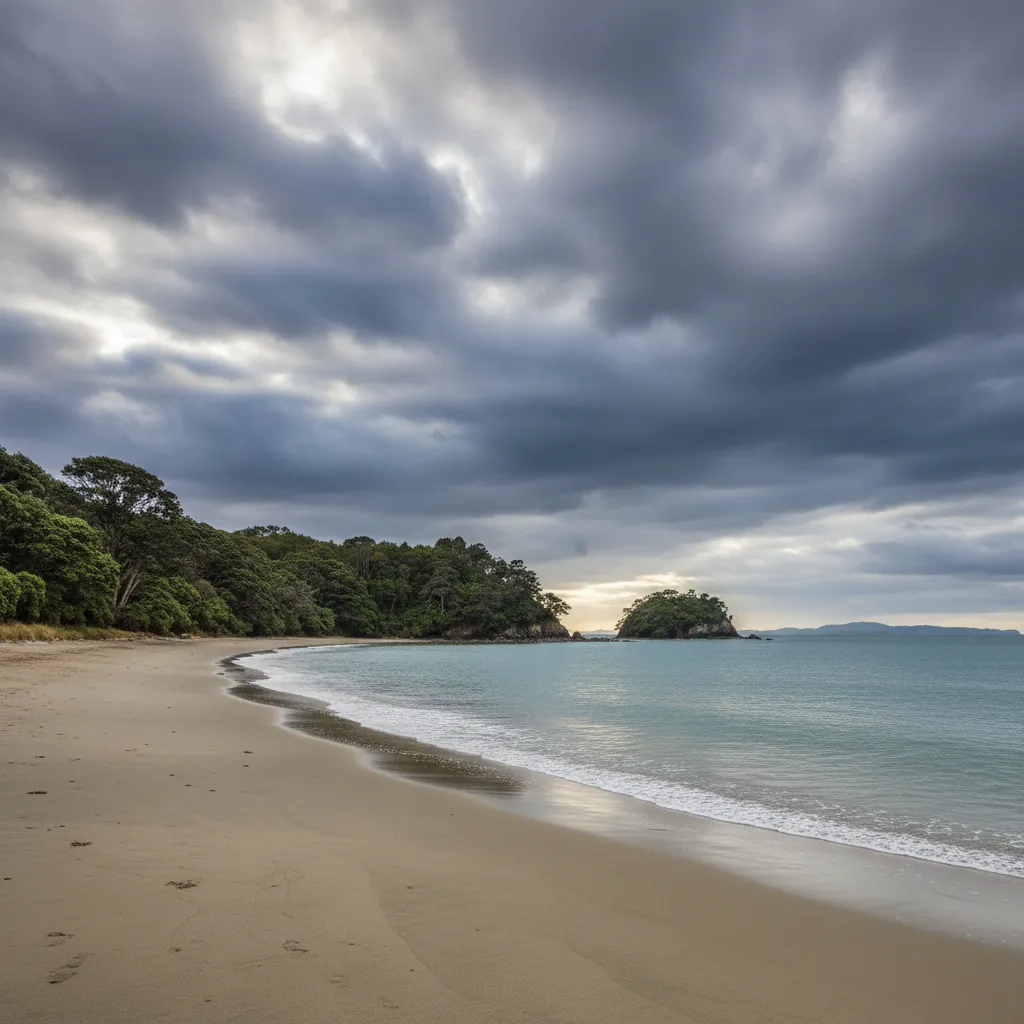
For many marine enthusiasts, the idea of entering the ocean during a New Zealand winter seems counterintuitive. However, the Cape Rodney-Okakari Point Marine Reserve (commonly known as Goat Island) undergoes a spectacular transformation between June and August. Gone are the summer traffic jams and sediment-stirring crowds, replaced by a serene, crystal-clear aquatic wonderland that rivals tropical destinations for visibility, if not temperature.
Why does Goat Island have better visibility in winter?
The primary draw for visiting Goat Island in winter is the unparalleled water clarity. During the summer months (December to February), warmer water temperatures trigger phytoplankton blooms. While these blooms are essential for the marine food web, they significantly reduce underwater visibility, often creating a greenish haze that limits sight lines to 3-5 meters.
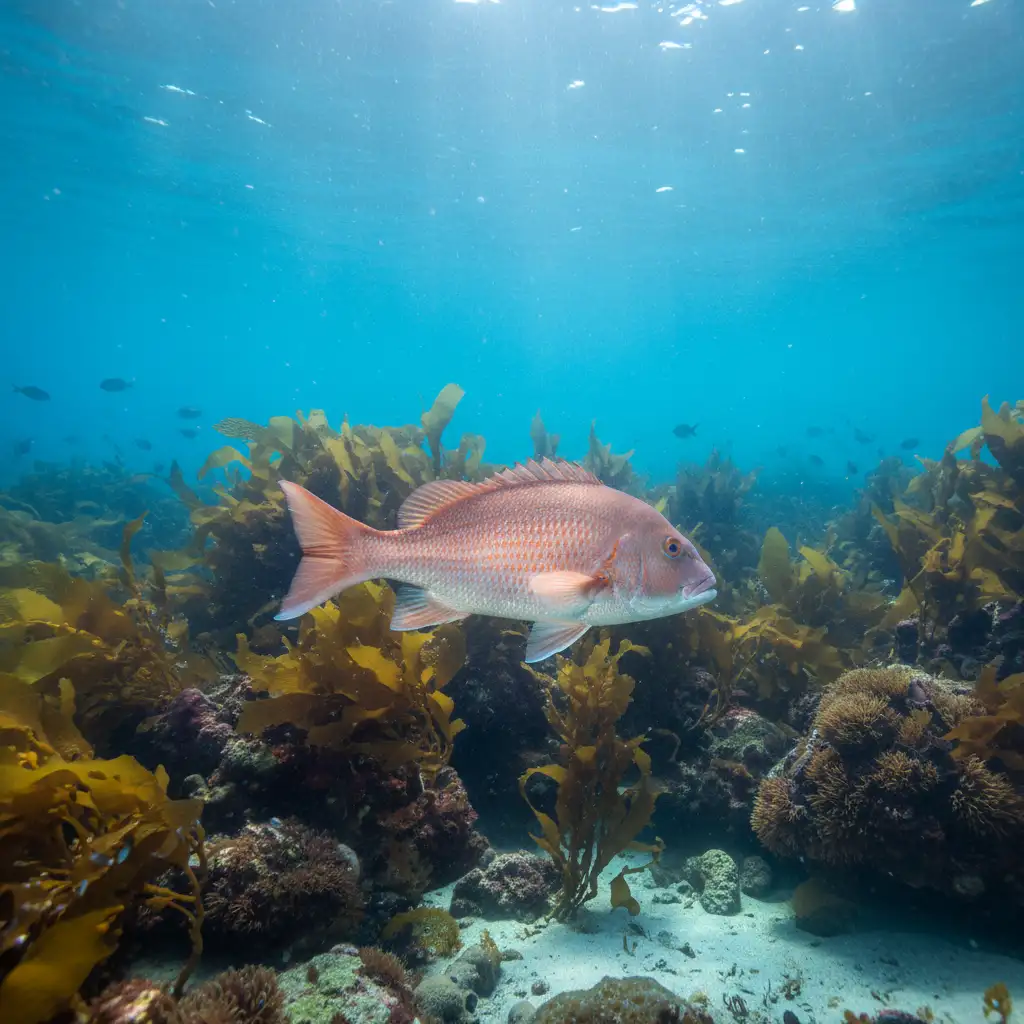
In contrast, the winter months bring cooler water temperatures which suppress these algal blooms. Additionally, the prevailing wind patterns in winter often shift. When the wind blows from the southwest (offshore for the East Coast), it flattens the swell and prevents sediment from being churned up near the shore. The result is often “gin-clear” water with visibility frequently reaching 15 to 20 meters. This clarity is a photographer’s dream, allowing for crisp, wide-angle shots of the kelp forests and resident snapper without the need for strobes to cut through murk.
What water temperatures should you expect?
Understanding the thermal challenges is crucial for a successful winter expedition. Between June and August, the water temperature at Goat Island typically hovers between 13°C and 15°C (55°F – 59°F). For context, this is significantly cooler than the summer peak of 20-22°C.
While this sounds cold, it is manageable with the correct equipment. The shock factor is often mitigated by the adrenaline of the dive and the stunning visual clarity. However, visitors must be realistic about their tolerance. Without a wetsuit, swimming is dangerous due to the risk of hypothermia. Even for brief snorkeling sessions, thermal protection is mandatory.
Is a 3mm wetsuit enough for winter?
No, a 3mm wetsuit is generally insufficient for winter snorkeling or diving at Goat Island. For a comfortable experience lasting more than 15 minutes, you should aim for the following:
- Snorkelers: A minimum of a 5mm steamer (full suit). Many seasoned winter snorkelers prefer a 7mm suit or a 5mm suit with a hooded vest underneath.
- Scuba Divers: A 7mm semi-dry suit is the standard recommendation. Some divers may opt for a drysuit if they plan on doing multiple dives or staying submerged for an hour or more.
How busy is the reserve in the off-season?
One of the most stressful aspects of visiting Goat Island in summer is the logistics: overflowing car parks, queues for the toilets, and a beach so packed you can barely find a spot for your towel. Winter completely eliminates these friction points.
Visiting in the off-season provides a sense of exclusivity. On a weekday in July, you might find yourself as one of only a handful of people in the water. This solitude not only enhances the connection with nature but also changes the behavior of the fish. Without hundreds of pairs of fins splashing on the surface, the marine life is calmer and more approachable. You can observe natural behaviors—such as snapper foraging or rays gliding over the sand—that are often interrupted by the chaos of summer tourism.
What gear is essential for a winter trip?
Preparation is the difference between a miserable freeze and a magical adventure. Beyond the wetsuit thickness discussed earlier, your extremities require special attention. The body preserves core heat by vasoconstriction, reducing blood flow to hands, feet, and head. If these areas are exposed, you will feel the cold rapidly.
The “Trifecta” of Winter Accessories
- Hood: A significant amount of body heat is lost through the head. An attached hood or a separate neoprene hood (3mm-5mm) is a game-changer. It also prevents “ice cream headache” upon initial submersion.
- Gloves: 3mm neoprene gloves will keep your fingers functional, allowing you to adjust your mask or operate a camera without numbness.
- Booties: Neoprene socks or booties (5mm) are essential. They keep your feet warm and make walking over the rocky shoreline much more comfortable.
Does marine life change in winter?
A common misconception is that the fish “leave” in winter. While some pelagic species may move to deeper waters, the resident population of the marine reserve remains vibrant. The cooler water actually brings different species into focus.
Australasian Snapper (Tāmure): These are resident fish. While their metabolism slows slightly in colder water, making them less frantic than in summer, large adults are still very present and curious. They often hover motionless in the kelp, providing excellent photo opportunities.
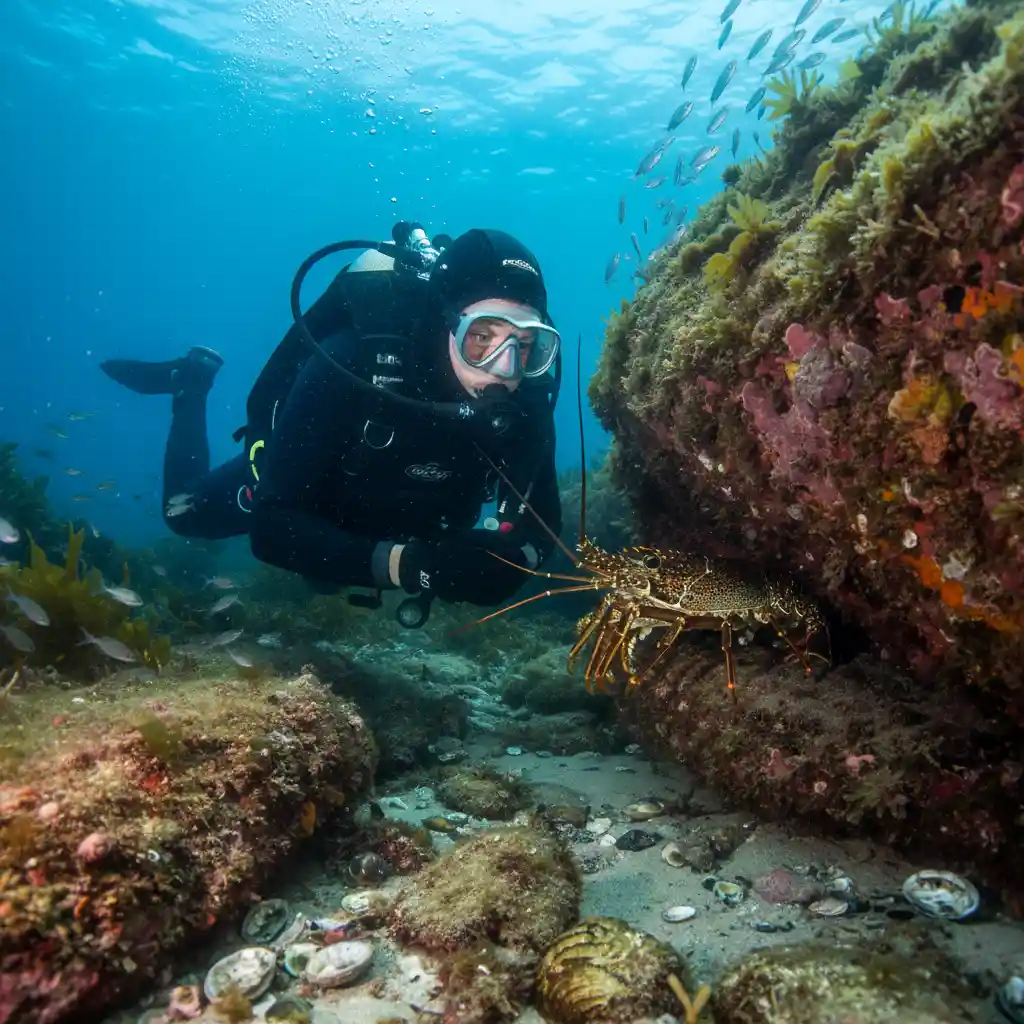
Crayfish (Kōura): The rocky crevices of Goat Island are famous for crayfish. In winter, with fewer disturbances, you may see them venturing further out of their holes during the day.
Eagle Rays: While more common in warmer months, rays are still spotted in winter, often resting on the sand flats. The high visibility makes spotting them from the surface much easier.
What are the best post-dive warming strategies?
The most critical phase of a winter ocean excursion is the “after-drop.” This occurs when you exit the water and your core temperature continues to drop as cold blood from your extremities circulates back to your heart. Having a strategy to warm up immediately is vital.
Immediate Actions
Bring a large container of hot water (tap hot, not boiling) in a cooler bin. Pouring this into your wetsuit immediately after exiting the water creates a “hot flush” that restores feeling and morale instantly. Have a windproof changing robe (like a Dryrobe) ready to block the crisp winter air while you change.
Local Warming Spots
Leigh and the surrounding Matakana Coast offer excellent apres-dive options. The Leigh Sawmill Cafe is a local institution nearby, perfect for a hot pizza and craft beer by a fire. Alternatively, stopping in Matakana Village for a hot chocolate or soup can round off the day perfectly. Plan your warm-up meal as part of the itinerary.
Safety considerations for winter swimming
While the crowds are smaller, the ocean demands respect. Winter weather systems can bring larger swells. Always check the marine forecast (SwellMap or MetService) before driving up. If the swell is over 1.0 meter or the wind is strong from the North or East, conditions will be rough and visibility will be poor.
Furthermore, be aware of your own physiological limits. Shivering is your body’s first warning sign of mild hypothermia. If you start to shiver uncontrollably, exit the water immediately. Do not try to “push through” the cold.

Is the Glass Bottom Boat an option?
For those who want to see the underwater world without getting wet, the Glass Bottom Boat does operate in winter, though the schedule is weather-dependent and less frequent than in summer. This is an excellent alternative for families with young children or elderly relatives who cannot handle the cold water temperatures. The superior visibility in winter means the view through the glass is often better than in summer.
Final Thoughts
Goat Island in winter is a secret kept by locals and avid divers. It strips away the commercial bustle of the holiday season and returns the reserve to its wild, pristine state. If you can brave the 15°C water, you are rewarded with an aquarium-like experience that summer visitors simply never see. Pack your thickest wetsuit, fill a thermos with hot tea, and experience New Zealand’s oldest marine reserve at its absolute peak of clarity.
People Also Ask
Is Goat Island worth visiting in winter?
Yes, absolutely. While the water is cold (13-15°C), winter offers the best underwater visibility of the year (often 15m+), fewer crowds, and calm seas when the wind is offshore.
Do I need a wetsuit for Goat Island in winter?
Yes, a wetsuit is essential. A 5mm steamer is recommended for snorkeling, and a 7mm suit for diving. Without one, you risk hypothermia within minutes.
Can you see fish at Goat Island in winter?
Yes, the marine life remains abundant. Large snapper, crayfish, and schools of sweep are present year-round. The clearer water actually makes them easier to spot.
Is the Goat Island discovery center open in winter?
Yes, the Goat Island Marine Discovery Centre is generally open in winter (usually 10am-4pm), but it is advisable to check their website for specific seasonal hours before visiting.
What is the best wind direction for Goat Island?
South or Southwest winds are best for Goat Island. These are offshore winds that flatten the sea and improve visibility. Northerly or Easterly winds create chop and reduce visibility.
Are there sharks at Goat Island?
Small shark species like carpet sharks and draughtsboard sharks are common bottom dwellers. Bronze whalers are occasionally seen but are generally not aggressive toward snorkelers in the reserve.